
 BACK

Upcoming Tour Date(s)
August 7-15, 2027 —
6 of 7 spaces Available
Quinn, was extremely knowledgeable about the birds and worked hard to ensure we were able to see specific birds and lifers that we were going for. Highly recommend!
Luke H Birding Tour, 2024
Tour Details
Southeast Arizona’s Second Spring Specialties and Rarities!
Join us as we look for Southeast Arizona’s incredible specialties and rarities during their “second spring,” when late-season rains trigger a burst of breeding for many species, the grasslands erupt in color and activity, and rare hummingbirds and Mexican vagrants can be found with relative ease. This is also an excellent time to see other wonderful and elusive wildlife, as the temperatures drop and the rain creates an environment conducive to feeding and breeding for many animals.
Tour Leader(s): Quinn Diaz
Itinerary
Itinerary subject to change due to weather, birding conditions, and other factors out of our control.
Day 1 - Arrive in Tucson and transfer to the Chiricahuas Saturday, August 7
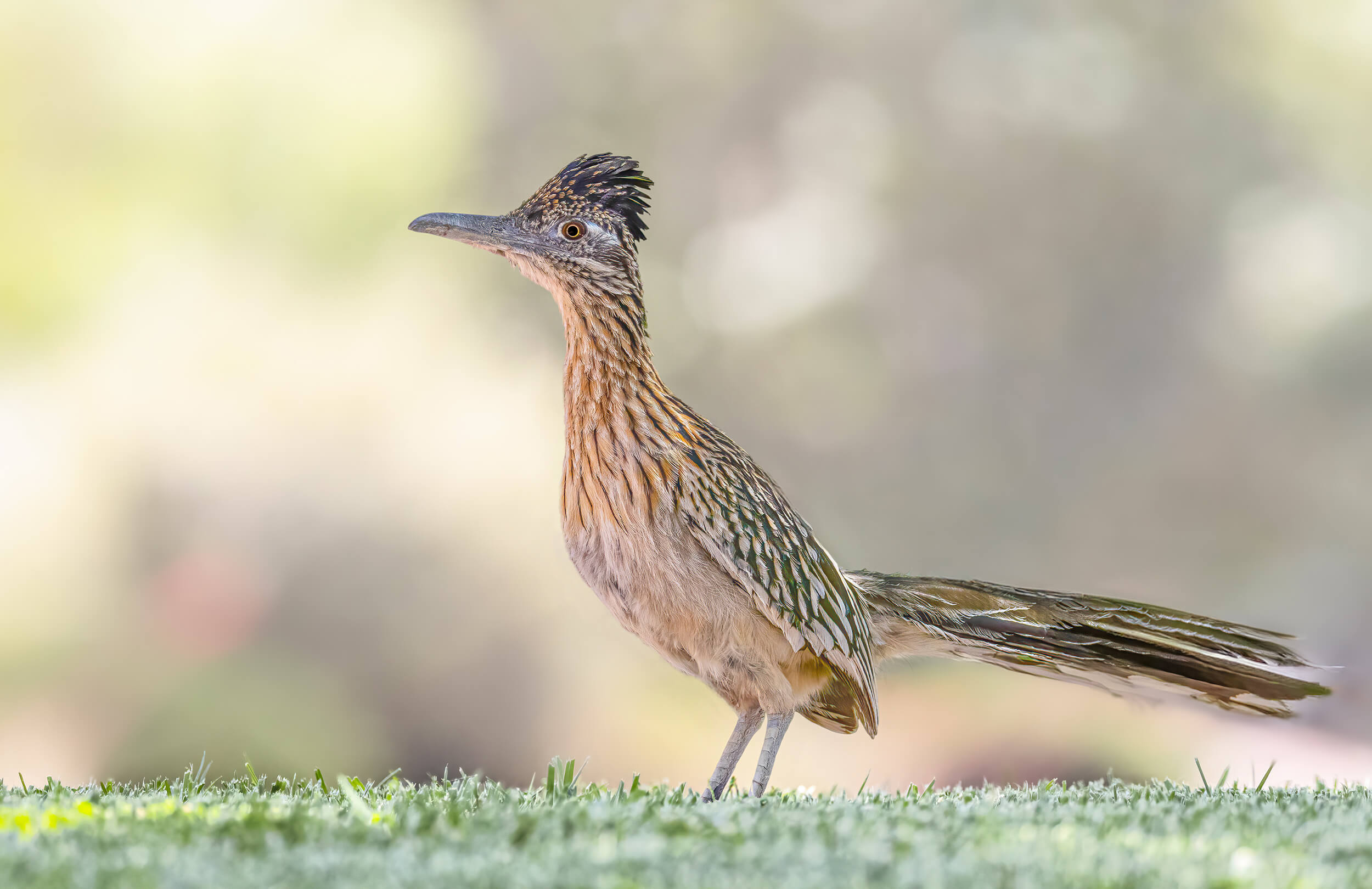
Upon arrival in Tucson, we will make our transfer to the Chiricahua Mountains, making some stops along the way for migrant shorebirds and waterfowl. We’ll check into our lodging near Portal, and spend the evening birding the border of New Mexico looking for desert and grassland species like Bendire’s and Curve-billed Thrashers, Scaled Quail, Lark Bunting, and keep an eye on reports for any rarities that show up in the area!
Night at Cave Creek Ranch
Day 2 - Birding the Chiricahuas Sunday, August 8
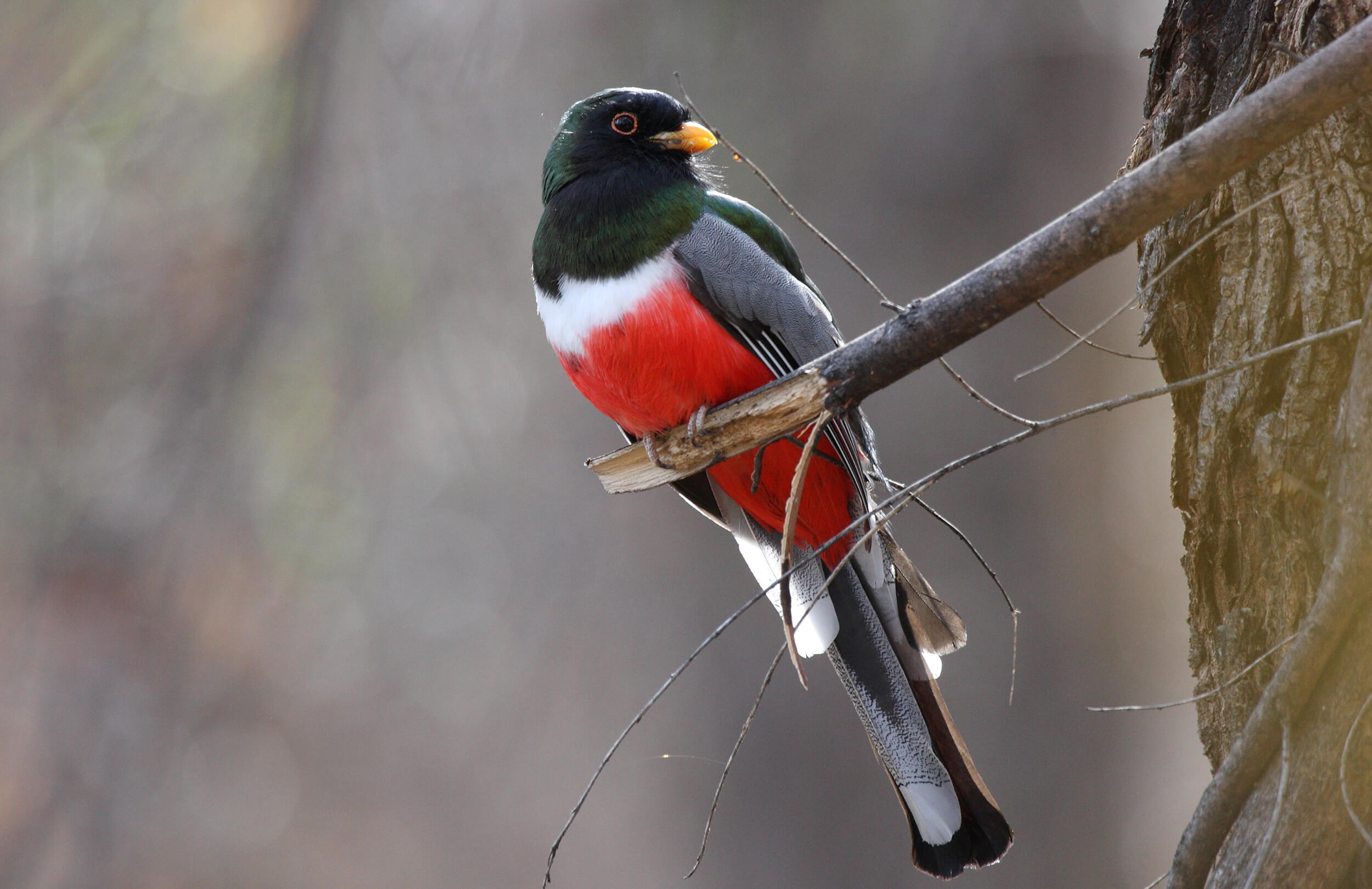
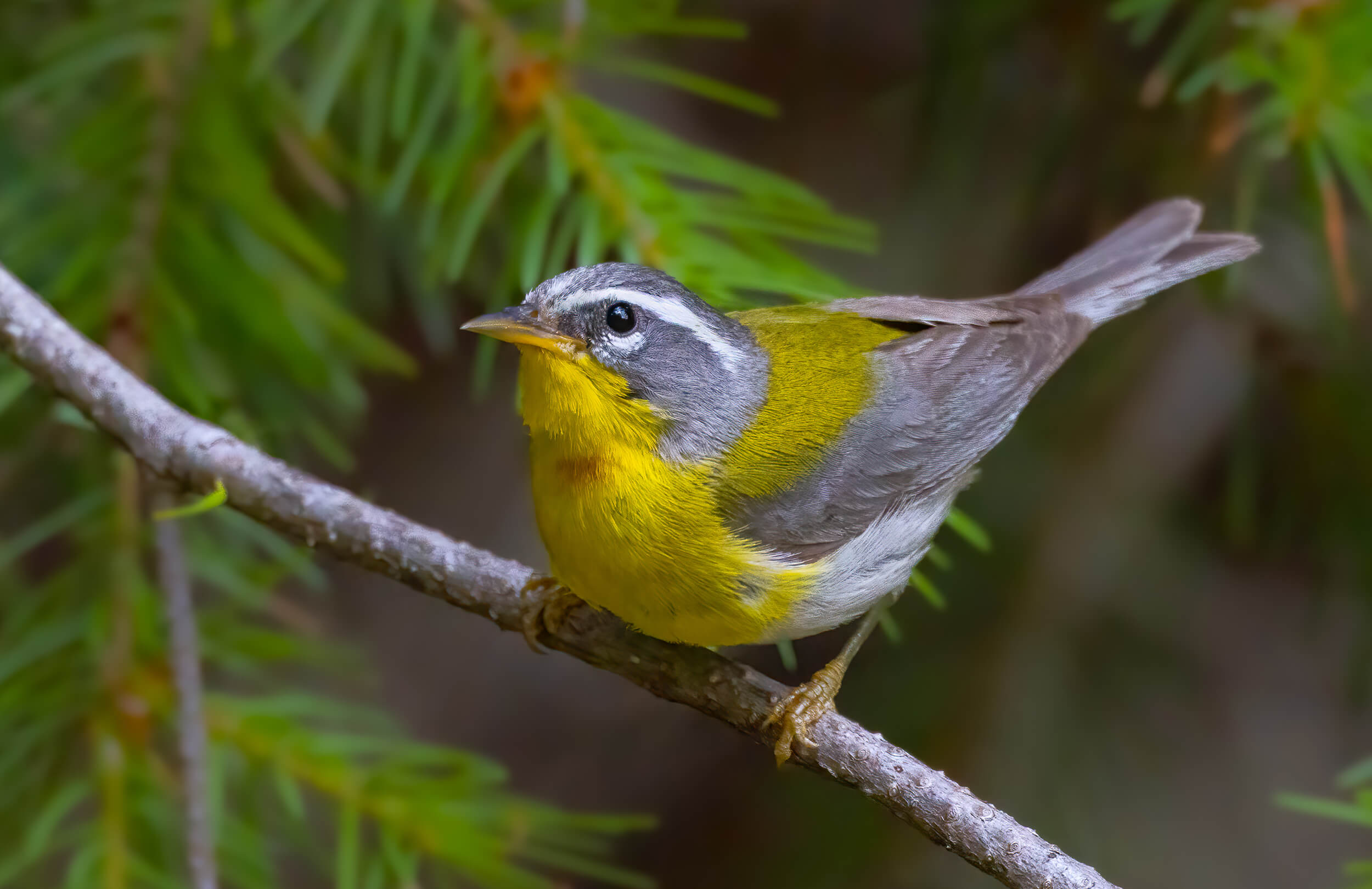
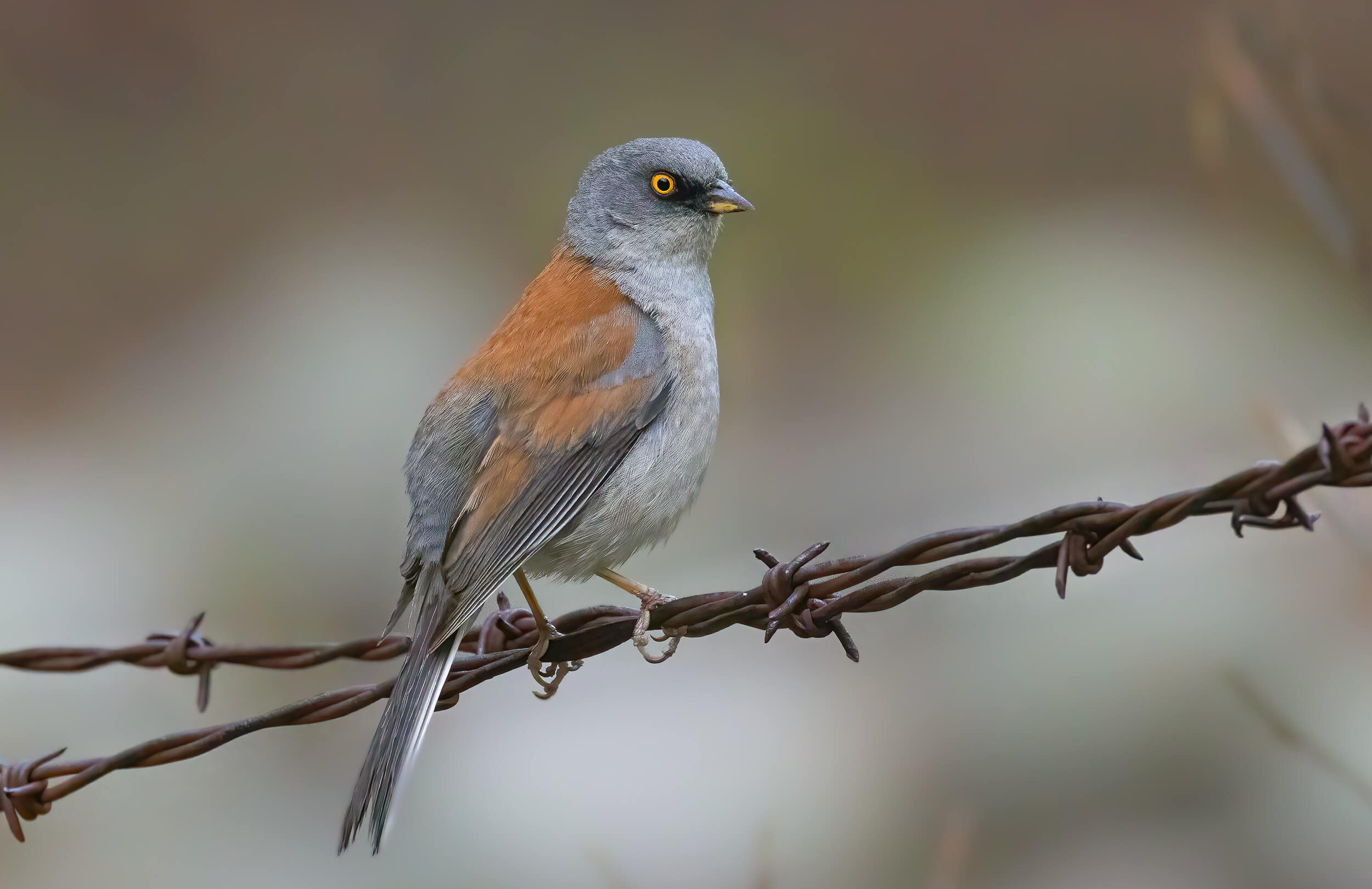
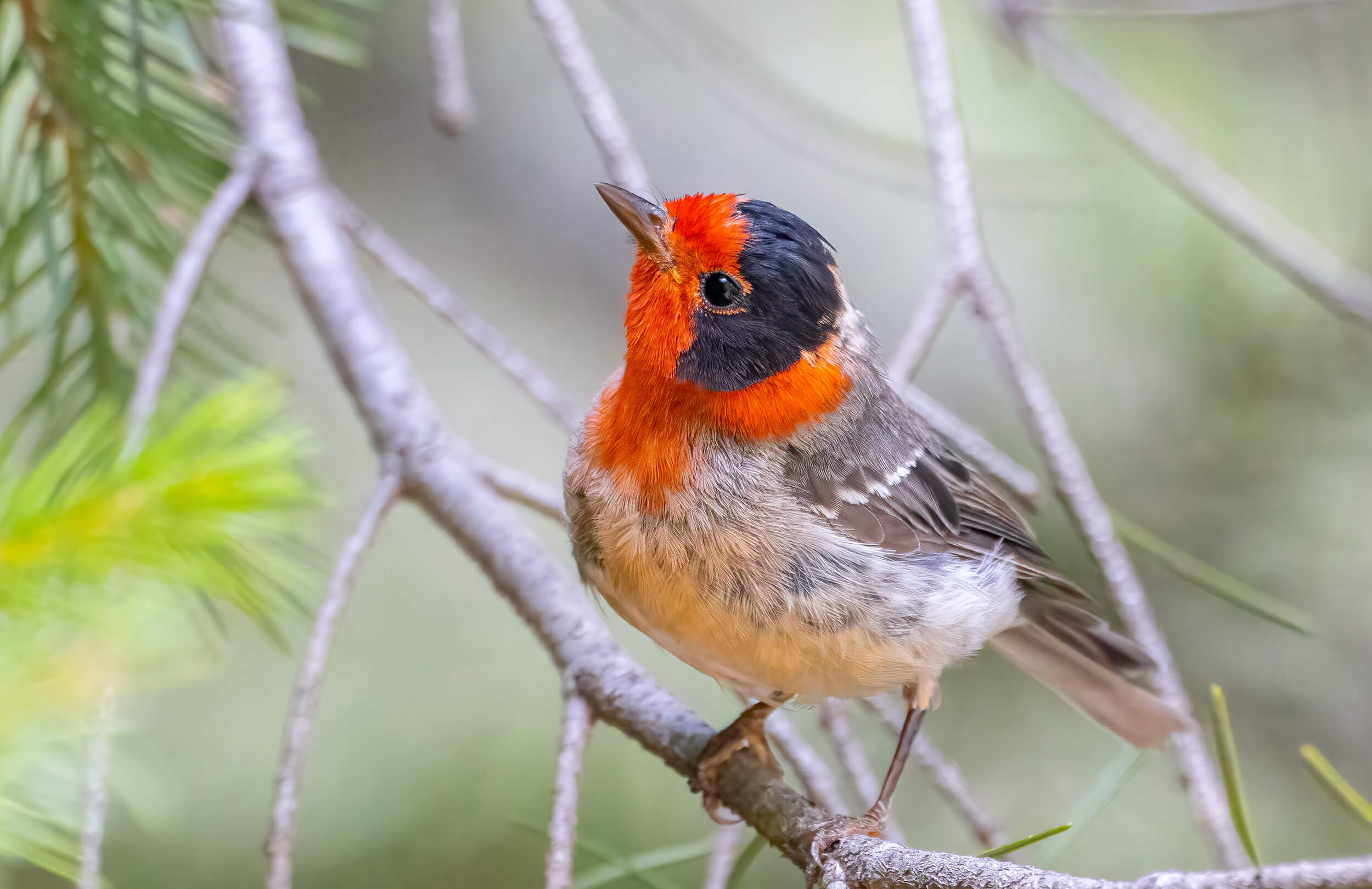
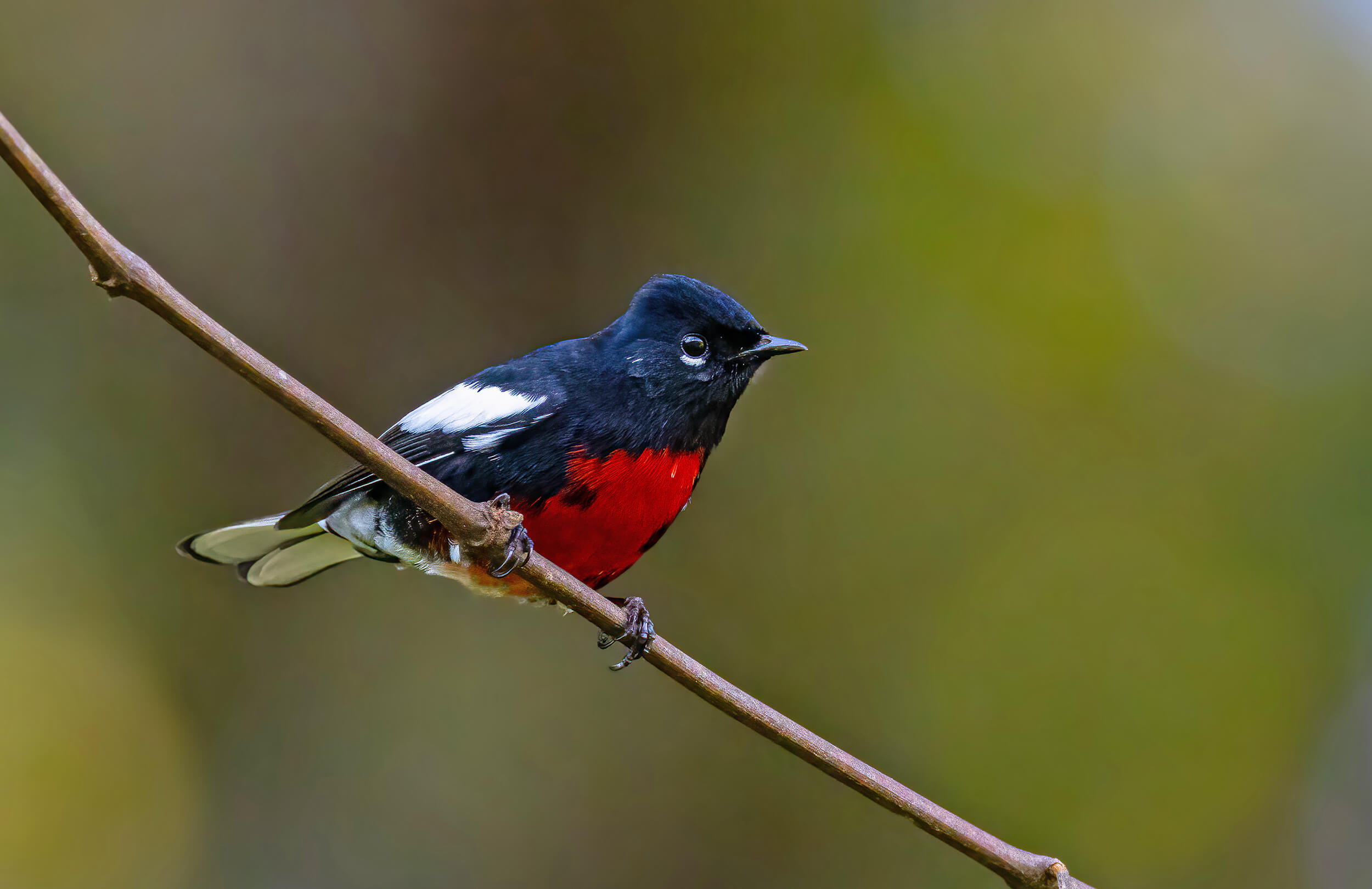
We’ll begin our day early and head to Cave Creek Canyon, one of the most notoriously picturesque canyons in the Sky Islands and spend the better part of the morning looking for Coppery-tailed Trogon, Red-faced Warbler, Painted Redstart, Sulphur-bellied Flycatcher, Yellow-eyed Junco, and many other Sierra Madrean specialties. After lunch we’ll bird around the town of Portal itself, known for regularly hosting vagrants that utilise the many feeders around town and take the rest of the afternoon off. As the day cools down we’ll head back up the mountains and search for Montezuma Quails before dark. As night falls, nocturnal activity abounds in the canyons here, and we’ll search for Whiskered Screech-Owl, Mexican Whip-poor-wills and Common Poorwills.
Night at Cave Creek Ranch
Day 3 - Pine Forests in the Chiricahuas Monday, August 9
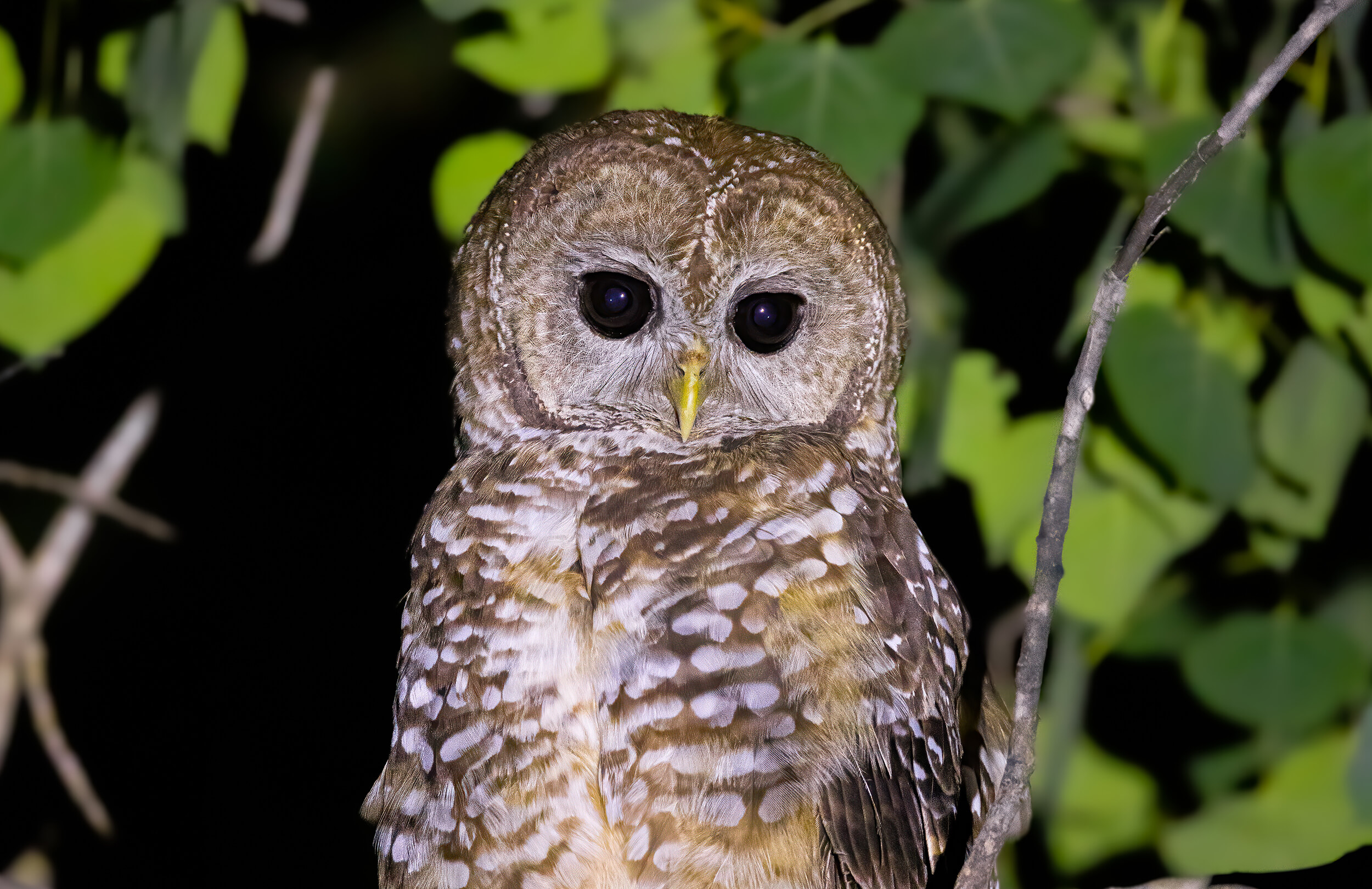
We’ll begin the day checking a local migrant trap, or birding the lowlands near the New Mexico border again for any targets we may have missed, and make our way up to the high-elevation pine forests of the Chiricahuas. As the elevation increases we encounter a new host of species like Mexican Chickadee and Olive Warbler, and perhaps we’ll even find a day-roosting Spotted Owl. After a lunch in the conifer forest we’ll come back down for some feeder watching, enjoying the abundance of Blue-throated Mountain-gems. As night approaches, we have the option of doing some more nocturnal birding on our last night in the area.
Night at Cave Creek Ranch
Day 4 - Desert and grassland species, and transfer to the Huachucas Tuesday, August 10
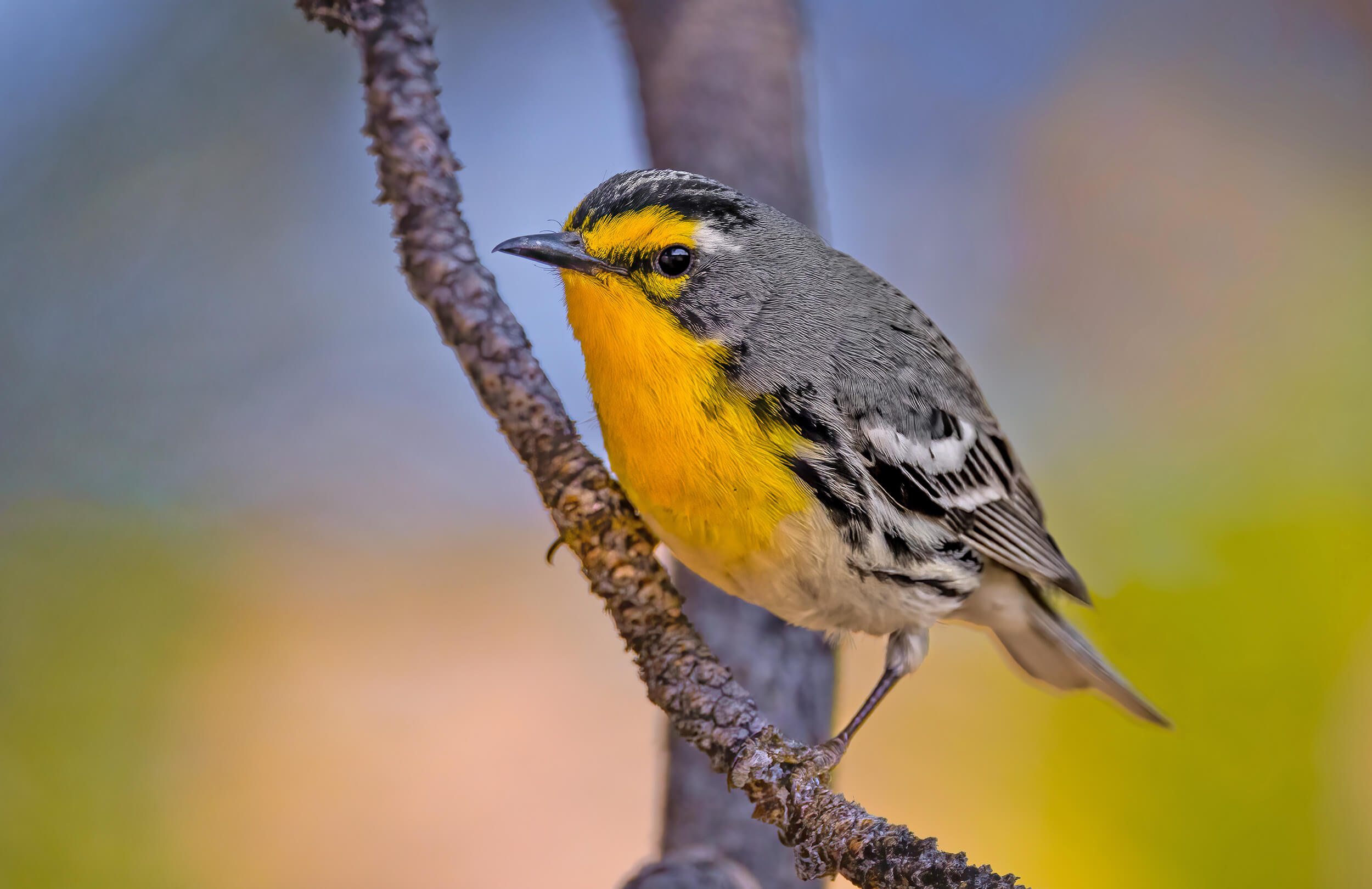
Before moving westward to the next mountain range over, we’ll have one more chance to look for any rarities that may have arrived and then have a nice breakfast before departing for the Huachuca Mountains. Along the way we’ll stop for grassland species like Botteri’s and Cassin’s Sparrows, keeping an eye out for raptors like Harris’s Hawk as well. We’ll have a local lunch in Hereford and check into our rooms at Casa de San Pedro, where their bird feeders are as top-notch as the accommodations. We’ll spend the late afternoon relaxing and hanging around the property, and as it starts to cool down, we’ll walk the river banks looking for riparian species and (hopefully) Green Kingfishers.
Night at Casa de San Pedro
Day 5 - The Huachuca Mountains
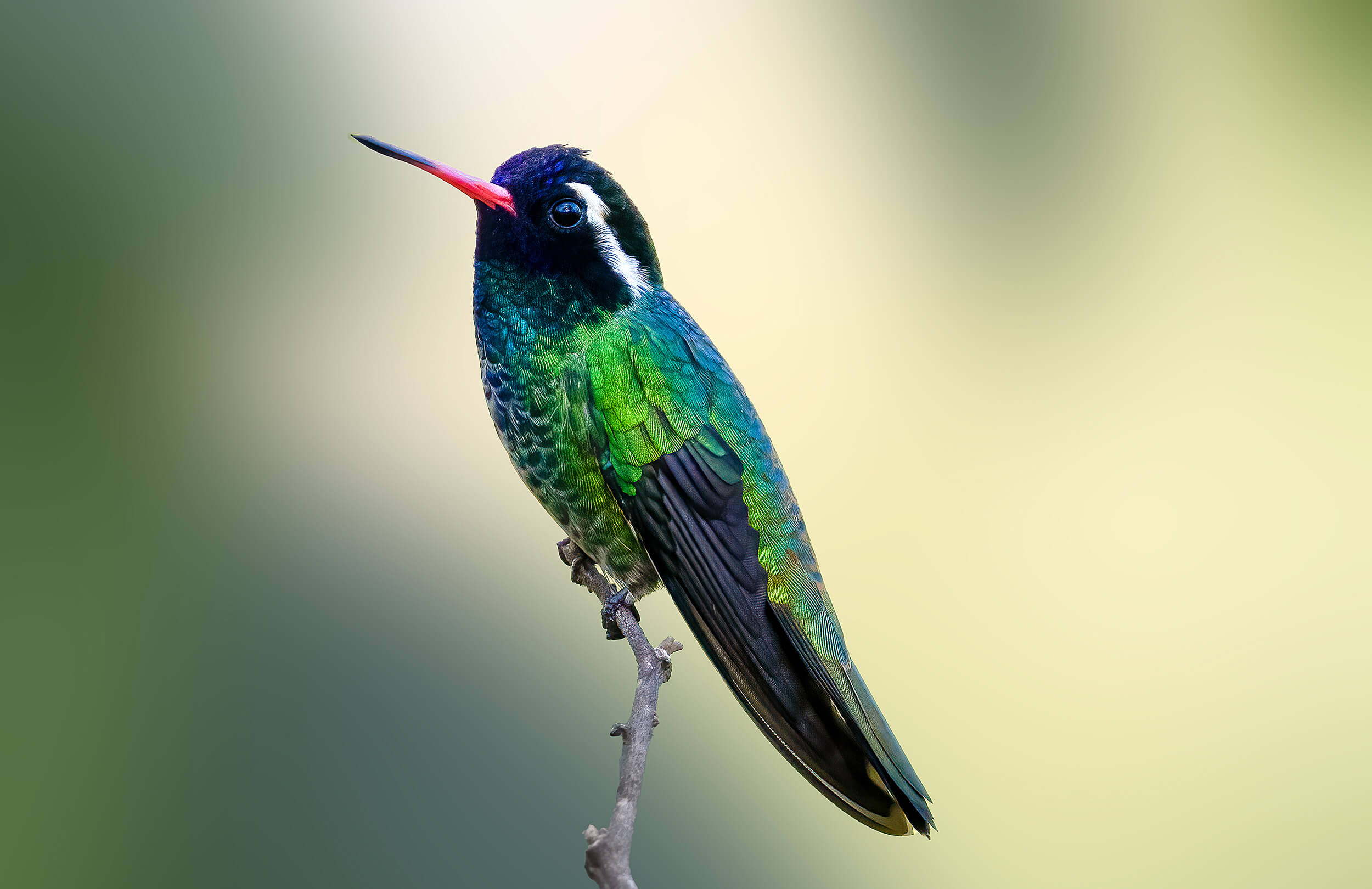
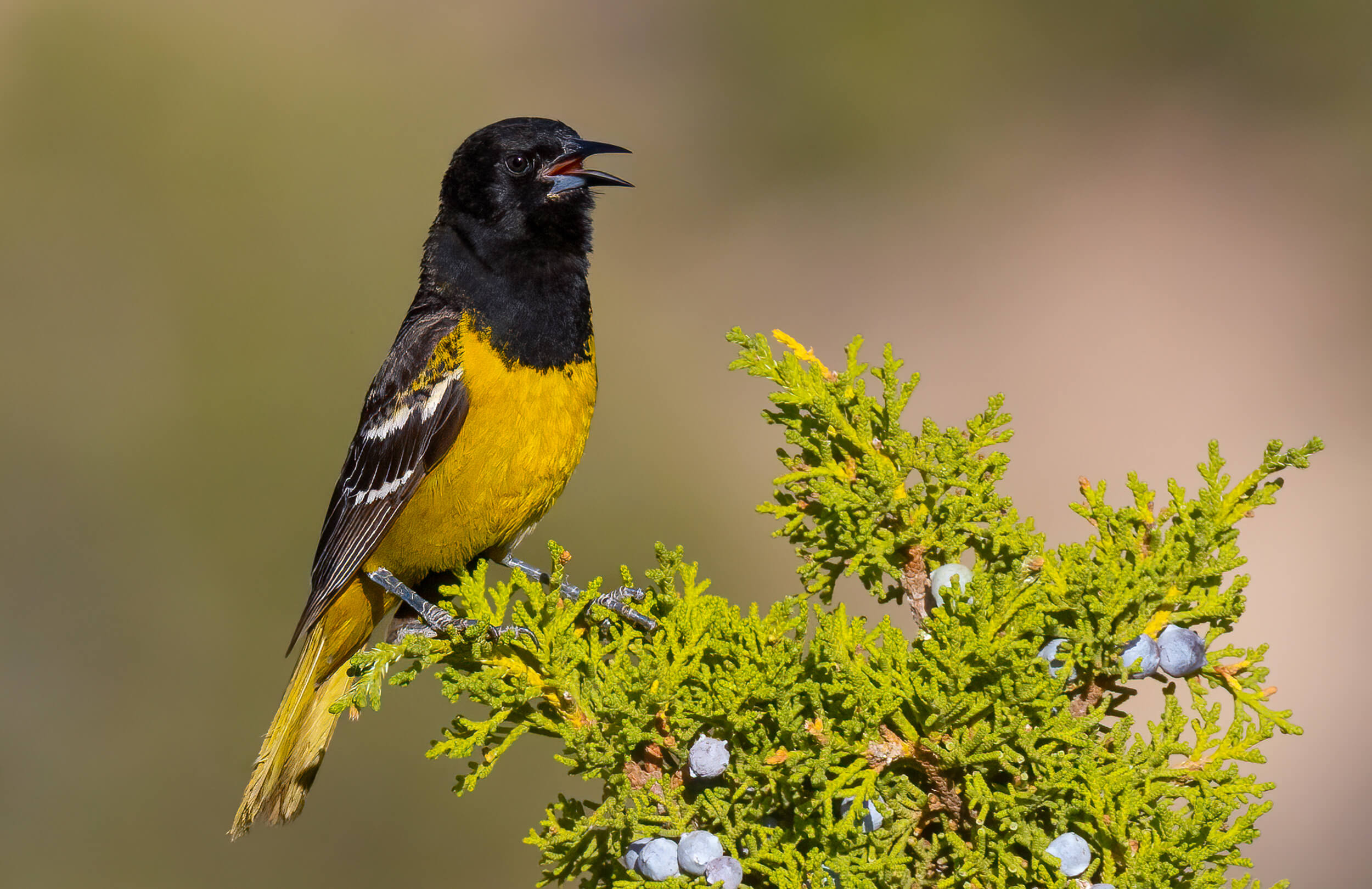
After our breakfast at the Casa, we’ll make our way to Ash Canyon Bird Sanctuary, among the most productive feeders in southeast Arizona, and the most reliable place to see Lucifer Hummingbird. With point-blank views of Scott’s Orioles, Mexican Jays, Gila and Ladder-backed Woodpeckers, and another chance at the elusive Montezuma Quail, we’ll rack up a nice long list this morning. In the late morning/early afternoon we’ll head to Miller Canyon, home of Beatty’s Guest Ranch, with another famous collection of feeders and the most reliable place to see White-eared Hummingbird in the United States. The canyon here is a great way to experience the Huachuca Mountains and see things like Sulphur-bellied Flycatcher, Spotted Owl, Greater Pewee, Hutton’s Vireo, Hepatic Tanager, and maybe even a pair of Flame-colored Tanagers. When we’ve had our fill of mountain birding we’ll return to our rooms for a break before some light birding before dinner.
Night at Casa de San Pedro
Day 6 - The Huachuca Mountains and San Pedro River Thursday,August 12
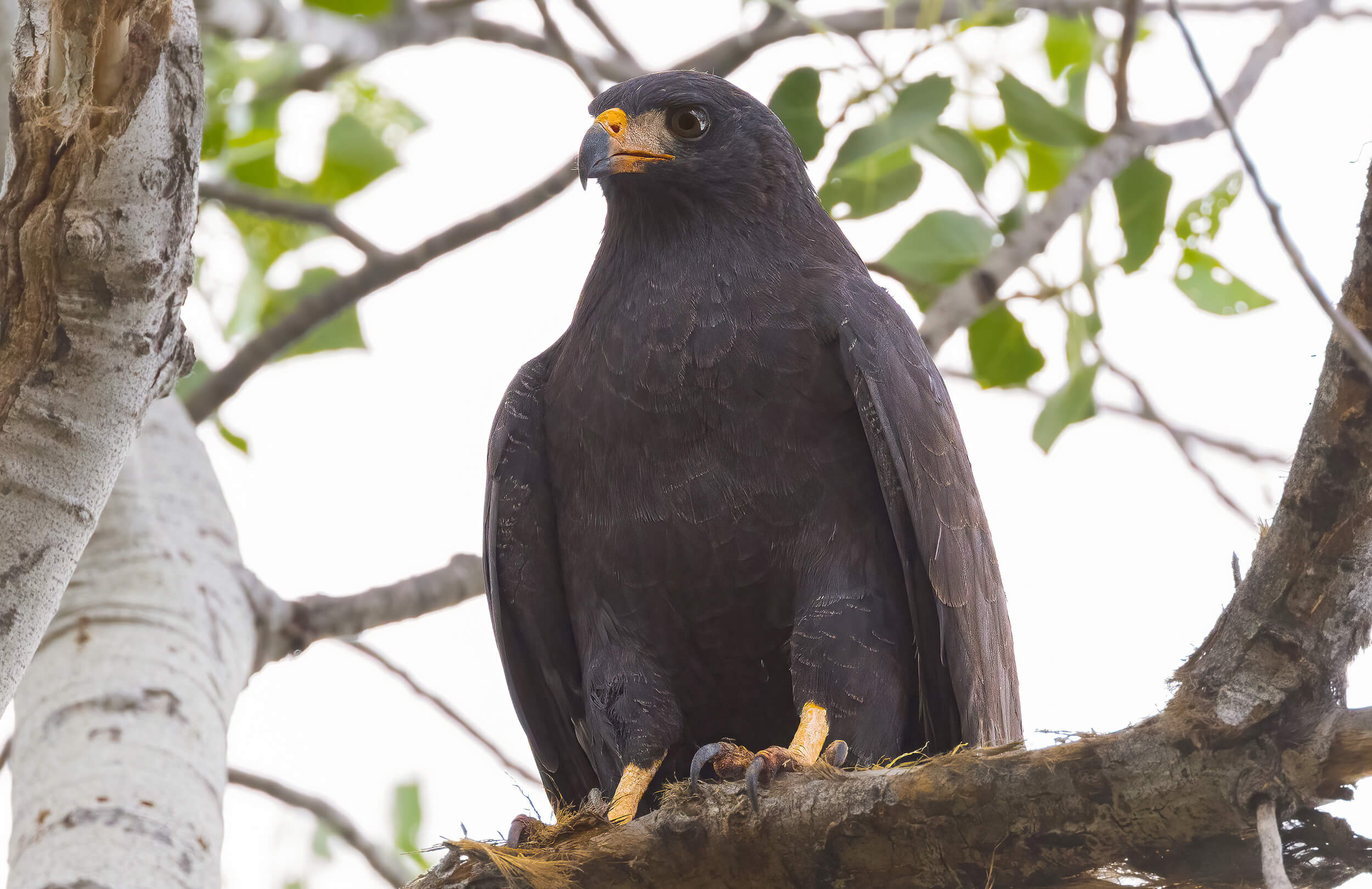
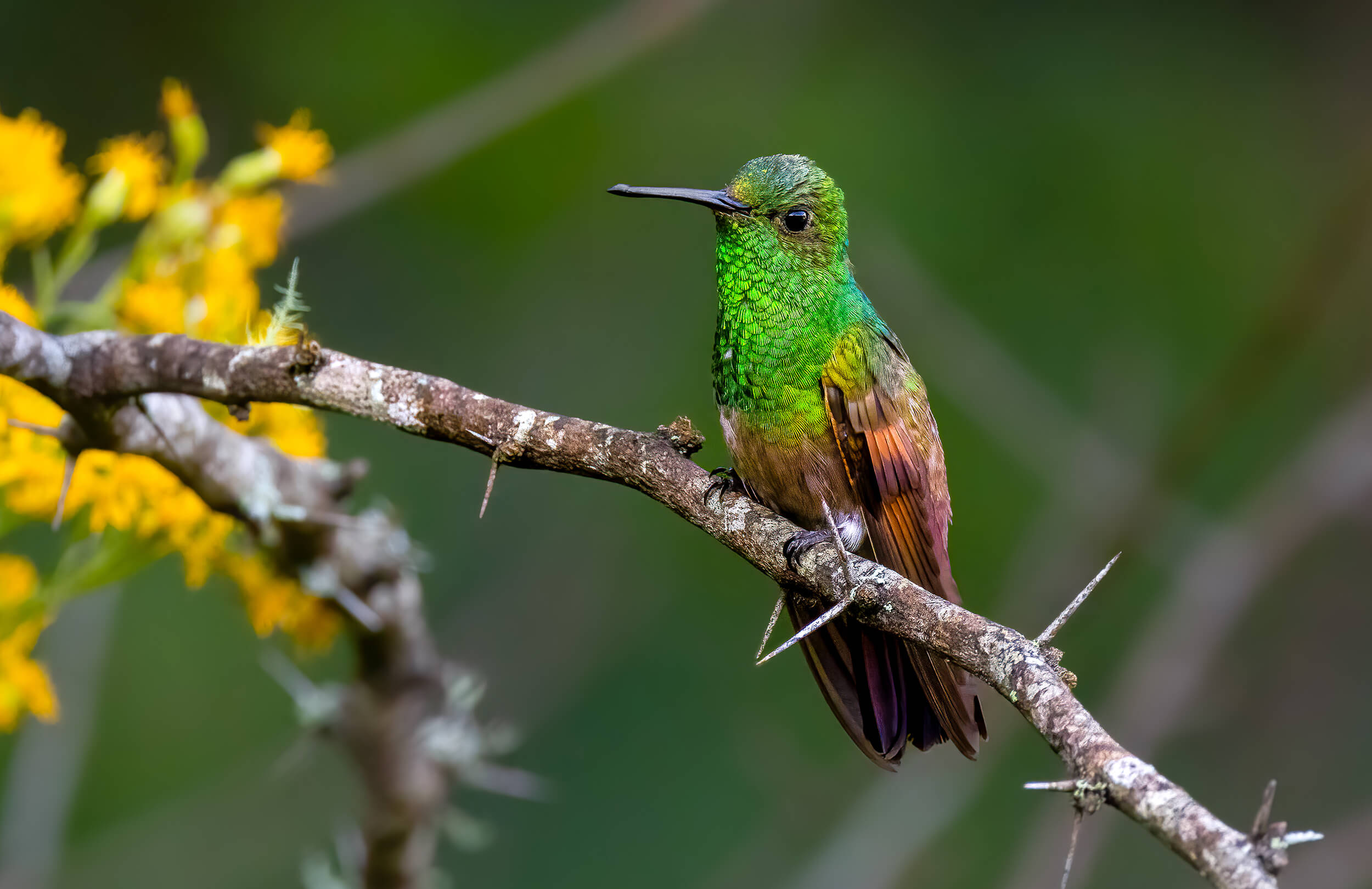
Our first birding location this morning will be the Ramsey Canyon Preserve, another reliable place to encounter Coppery-tailed Trogon. The feeders here have also proven to be a good place to see Berylline Hummingbird when there’s one around, and passerines here should be abundant. We’ll take our time birding this cool shaded canyon before returning to Hereford for lunch. We’ll leave this afternoon and evening free for the opportunity to check reports and see what kind of rarities have shown up lately, and perhaps spend some time scouring the San Pedro River for Green Kingfishers, Gray Hawk, Common Black Hawk and other riparian species.
Night at Casa de San Pedro
Day 7 - The Sonoita Grasslands and Patagonia Friday, August 13
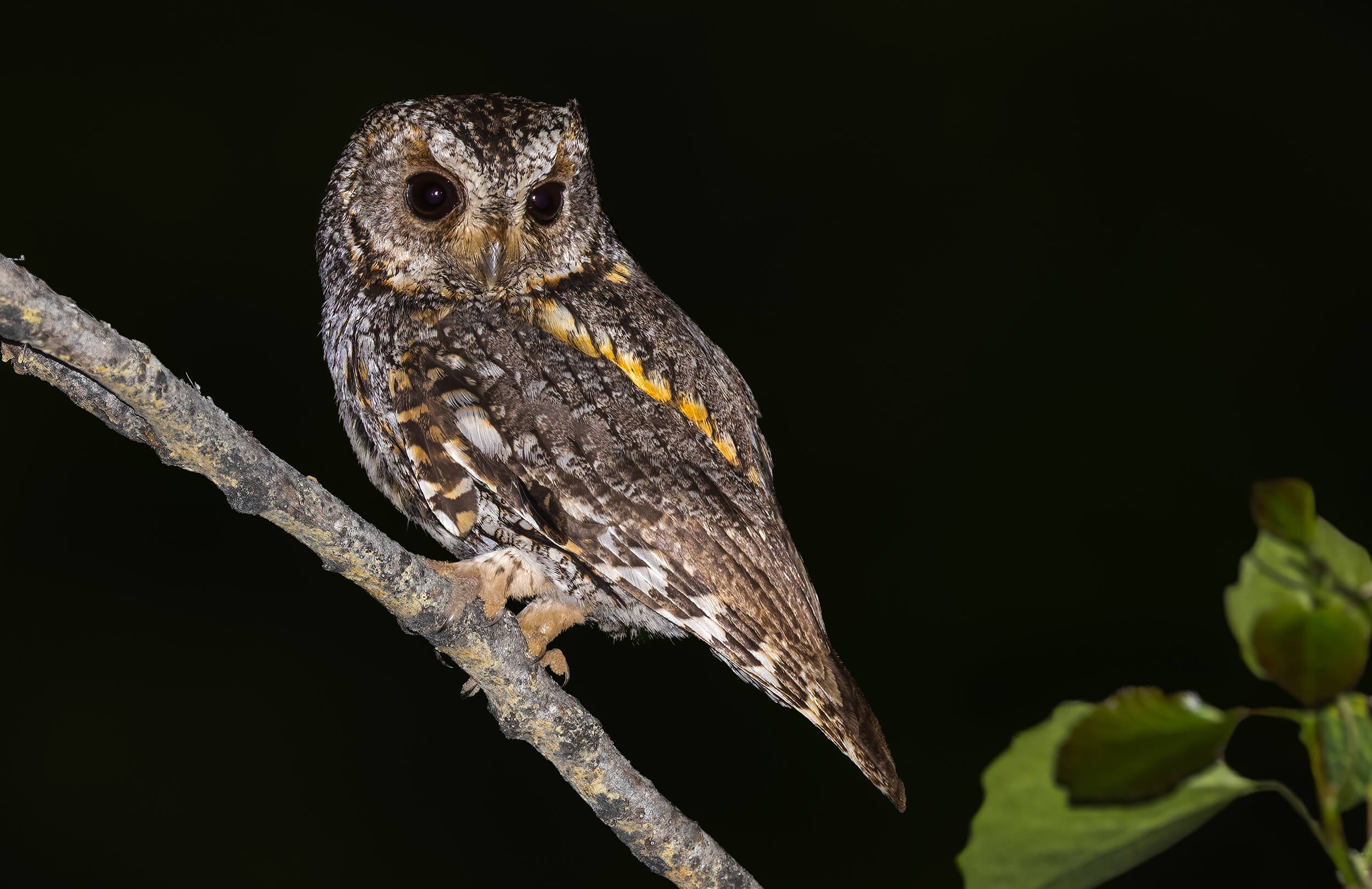
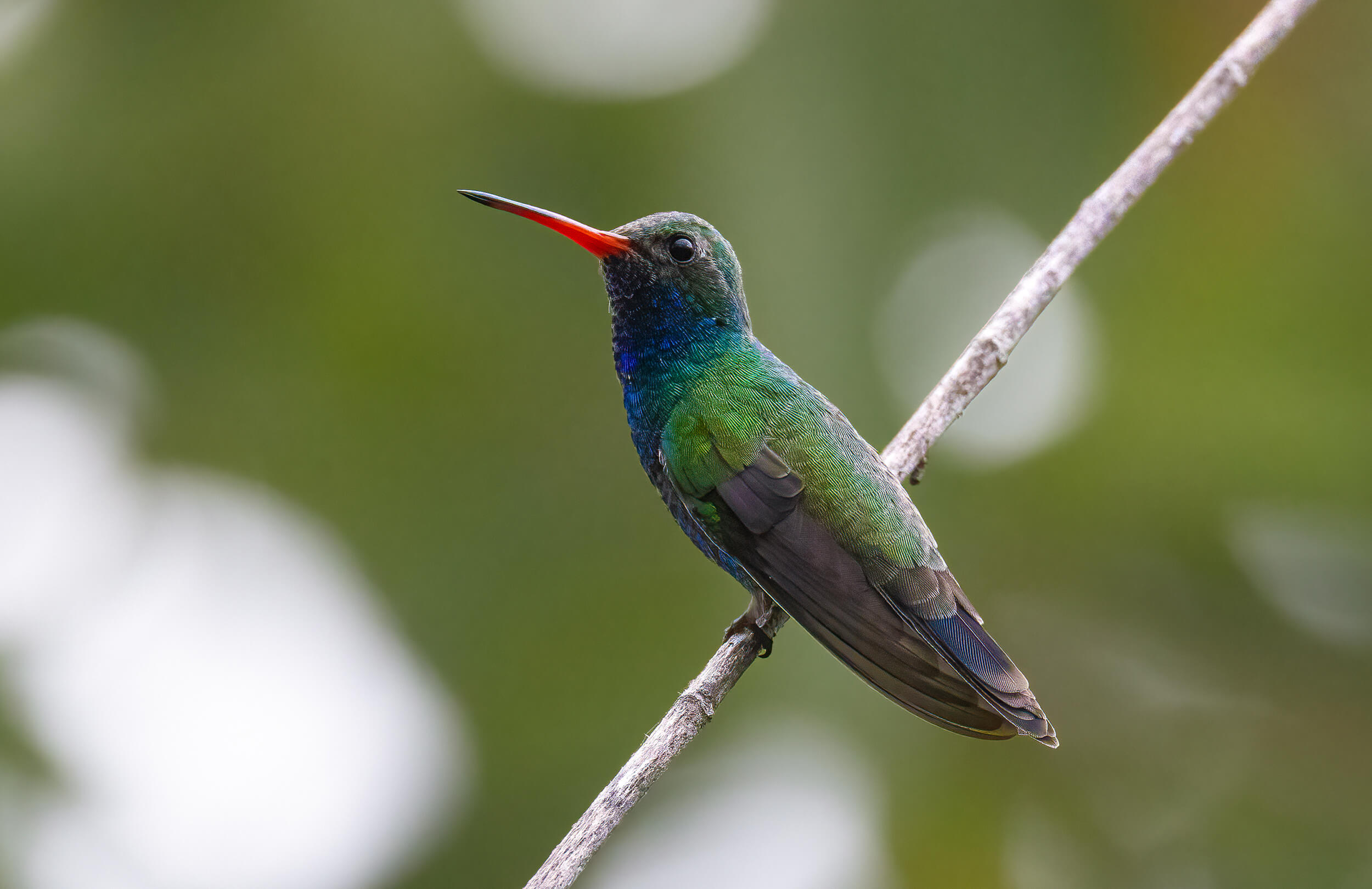
We’ll enjoy a breakfast at our lodging before making our way to Patagonia through the Sonoita Grasslands. This is a great place to see the newly-recognized Chihuahuan Meadowlark, Scaled Quail, Botteri’s Grasshopper and Cassin’s Sparrows, and Greater Roadrunners. After arriving in Patagonia we’ll check out the hummingbird feeders at the legendary Paton Center for Hummingbirds, where we’ll look for Violet-crowned Hummingbird among the masses of Broad-billeds. The town of Patagonia has hosted some great August rarities over the years, and is a good place to hope for Ruddy Ground-Dove. After lunch we’ll visit the famous Patagonia Picnic Table, a great place to see nesting Thick-billed Kingbirds and perhaps some vagrants as well. We’ll relocate to the base of the Santa Rita mountains after saying goodbye to the Patagonia area, and once night falls, we’ll spend a few hours looking for Elf Owl, Whiskered Screech-Owl, Mexican Whip-poor-will, and maybe even Flammulated Owl.
Night at Tubac Golf Course
Day 8 - The Santa Rita Mountains and Santa Cruz River Saturday, Agusut 14
We’ll wake up early in order to be at our first birding stop at sunrise in either Box Canyon or Montosa Canyon, where we’ll look for Five-striped Sparrow, perhaps one of the most range-restricted birds within the United States. We’ll also be serenaded by the morning song of Varied Buntings abound before making our way to Madera Canyon. The long canyon here is host to many great trails, giving us our final experience of the Sky Islands. After a long morning of birding we’ll give our legs a rest and watch the feeders at the Santa Rita Lodge. The feeders here are another among the best places to see Berylline Hummingbird, as well as Bridled Titmouse, Acorn and Arizona Woodpeckers, Rivoli’s Hummingbird, and perhaps even the rambunctious White-nosed coati. Heading back down canyon we’ll stop for lunch before visiting the Santa Cruz river, which has historically been a great way to see nesting Rose-throated Becards. Green Kingfishers are often present here as well, and the river attracts a whole host of migrants and rarities. We’ll take a short break before dinner, and have the option of looking for nocturnal wildlife in the Santa Ritas once again, if there’s anything we’ve missed so far.
Night at Tubac Golf Course
Day 9 - Cleanup and Tour End! Sunday, August 15
After an exciting week of exploring the legendary Sky Islands of southeast Arizona, we’ll either get to sleep in a bit before breakfast, or do a little bit of early morning chasing if we have any remaining targets. We’ll then make our way to the Tucson Airport for drop-offs and farewells!
End of Tour!
2027 Pricing
What's Included & What to Expect
What to Expect on Your Tour
Southeastern Arizona is one of North America's premier birding destinations, and August is an exciting time to visit. Summer monsoon rains bring the desert and mountains to life, with lush vegetation, increased bird activity, and opportunities to encounter many of the region's specialty species. Hummingbirds are particularly abundant, while Mexican breeding species, summer residents, and early fall migrants provide excellent birding
opportunities.
Our days will take us through a variety of habitats, including Sonoran Desert, riparian corridors, oak woodlands, grasslands, and mountain canyons. We'll spend time exploring the famous Sky Islands of southeastern Arizona, searching for regional specialties and enjoying the area's remarkable biodiversity.
Expect early morning starts to take advantage of cooler temperatures and peak bird activity. Our daily schedule will remain flexible, allowing us to adjust for weather, bird sightings, and afternoon thunderstorms associated with the summer monsoon season.
Transportation
Transportation throughout the tour will be provided in a comfortable, air-conditioned passenger van or minivan, depending on group size. All driving will be handled by your guide.
We'll travel between birding locations on paved highways, maintained dirt roads, and occasionally rougher mountain roads. Some destinations may require extended drives, but we'll make regular stops for birding, restrooms, and refreshments.
We ask participants to rotate seating throughout the tour so everyone has an opportunity to enjoy different views and seating positions.
Accommodations
We'll stay in comfortable, well-appointed accommodations selected for their convenience, location, and proximity to our birding destinations.
Our accommodations in the Tucson area will provide convenient access to the surrounding desert habitats, while our lodging near Sierra Vista and the Huachuca Mountains will place us close to some of southeastern Arizona's most productive birding areas.
All accommodations will feature private bathrooms, air conditioning, and Wi-Fi, although internet connectivity may vary by location.
Meals
Meals will be a combination of local restaurants, casual dining establishments, and occasional picnic-style lunches in the field. Breakfasts may be early or taken on the go to maximize our time birding during the cooler morning hours.
We'll enjoy a variety of dining options, typically featuring standard American and Southwestern cuisine.
We do our best to accommodate dietary restrictions and food allergies, but options may be limited in smaller communities and remote locations. Participants with significant dietary requirements should notify us in advance and consider bringing supplemental snacks or specialty foods.
Meal times may vary depending on birding opportunities, weather, and the day's activities.
Pace
This tour is designed to provide a relaxed but productive birding experience, with an emphasis on finding and enjoying southeastern Arizona's specialty birds.
Most birding will take place along roadsides, established trails, and easily accessible viewing areas. We'll frequently stop to observe birds, with walks generally ranging from a few hundred yards to approximately 1–2 miles at a leisurely pace.
Early mornings will be the most active part of our days, and we may occasionally bird into the evening for nocturnal species. During particularly hot afternoons or periods of heavy monsoon activity, we may take breaks or adjust our schedule.
Participants should be comfortable with early starts, extended periods outdoors, and occasional long days in the field.
Difficulty
Difficulty Level: Easy to Moderate. Most of the tour involves relatively easy walking on established trails, dirt roads, and relatively level terrain. However, some birding locations may include uneven, rocky surfaces, short uphill sections, or moderate elevation changes.
While major hikes are not anticipated, we may occasionally walk up to 1–2 miles or explore mountain canyon trails with moderate inclines to search for specific birds. Some locations may require stepping over rocks, navigating loose gravel, or crossing shallow streams.
Elevations will range from approximately 2,500 feet in the desert lowlands to 8,000 feet or higher in the mountains. Walking at higher elevations will generally be limited.
The greatest physical challenges are likely to be summer heat, humidity, and time spent standing or walking outdoors.
Sturdy walking shoes or lightweight hiking boots with good traction are recommended. Trekking poles are optional but may be helpful for participants who prefer additional stability.
Weather and Temperature
August falls within southeastern Arizona's summer monsoon season, bringing a combination of hot temperatures, afternoon thunderstorms, and surprisingly lush landscapes.
In the Desert Lowlands (Tucson and surrounding areas) expect daytime highs between 90–105°F (32–41°C) and overnight lowsbetween 70–80°F (21–27°C).
In the Higher Elevations (Sierra Vista and mountain canyons) expect daytime highs between 75–90°F (24–32°C) and overnight lowsbetween 55–70°F (13–21°C).
Temperatures can be considerably cooler at higher mountain elevations, particularly during thunderstorms.
Afternoon thunderstorms are common and may produce heavy rain, lightning, strong winds, and localized flash flooding. Our guides will monitor weather conditions closely and adjust activities as necessary.
Despite the rain, sunshine can be intense. We strongly recommend sunscreen, a wide-brimmed hat, lightweight breathable clothing, and a reusable water bottle. A lightweight rain jacket or poncho is also essential.
Hydration is especially important. Drinking water will be available in our vehicle, and we'll encourage frequent water breaks throughout the tour.
Insects, Snakes, and Predators
Southeastern Arizona supports an incredible diversity of wildlife, including insects, reptiles, and mammals. While encounters with potentially dangerous animals are uncommon, participants should be aware of the wildlife that inhabits the region.
Insects: Mosquitoes, biting flies, and other insects may be present, particularly near water and following monsoon rains. Insect repellent is recommended. Bees, wasps, and ants are also common.
Snakes: Several species of rattlesnakes inhabit southeastern Arizona and are particularly active during the warmer months. Encounters are possible but generally uncommon along heavily traveled trails. We'll exercise caution when walking through rocky areas, tall grass, and other suitable snake habitat.
Spiders and Scorpions: Scorpions, tarantulas, and other spiders are part of the desert ecosystem. They generally avoid people and rarely pose a problem when basic precautions are followed.
Large Mammals: Black bears, mountain lions, coyotes, and other mammals inhabit the region. Sightings of large predators are uncommon, and these animals generally avoid human activity.
Desert Vegetation: Cacti, thorny shrubs, and spiny plants are widespread. Sturdy, closed-toe footwear and long pants can help protect against scratches and punctures.
Bird Highlights
- Coppery-tailed Trogon
- Rivoli’s Hummingbird
- Painted Whitestart
- Montezuma Quail
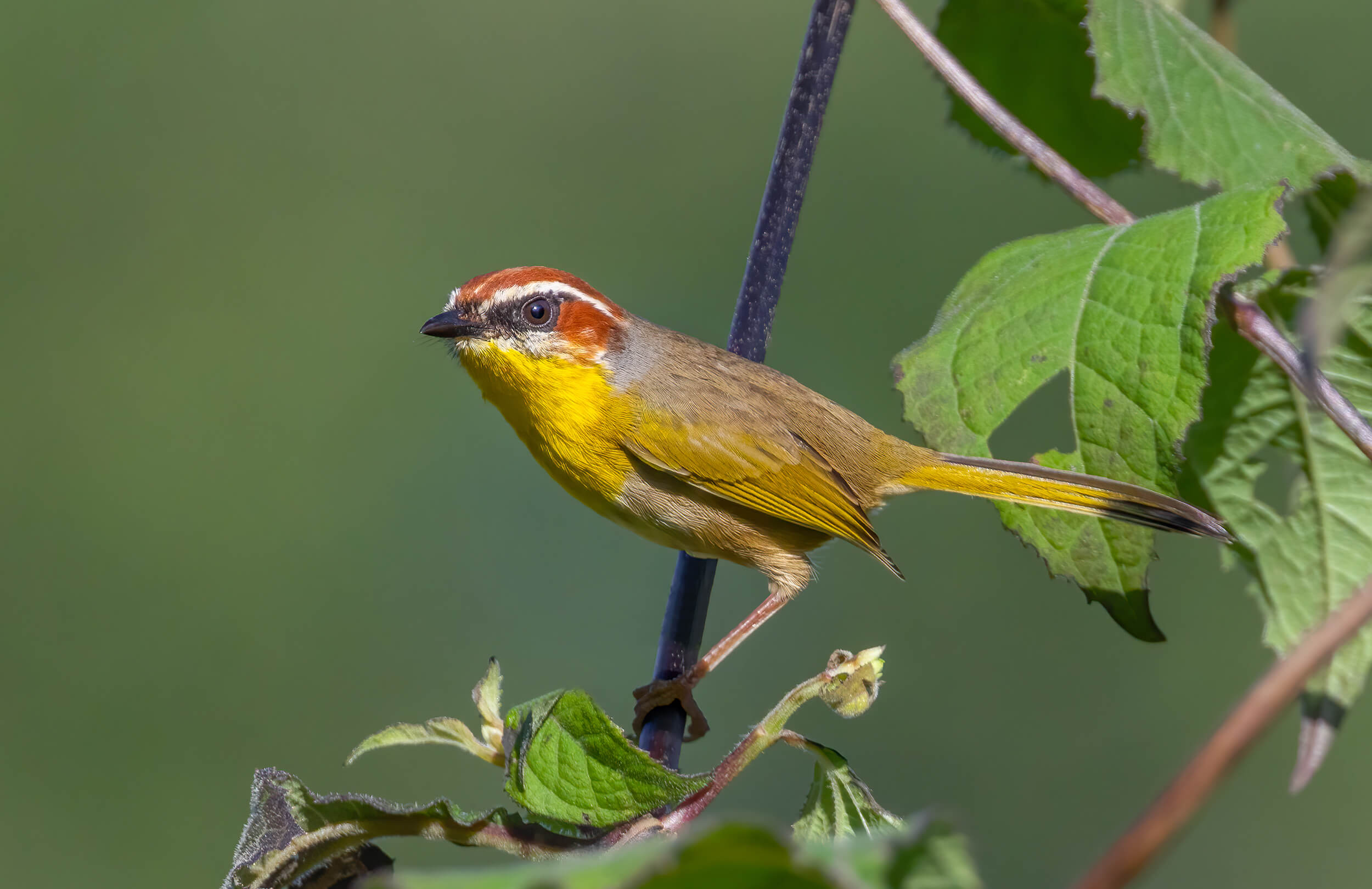
- Red-faced Warbler
- Mexican Spotted Owl
- Gray Hawk
- Green Kingfisher
- Sulphur-bellied Flycatcher
- Violet-crowned Hummingbird
- Arizona Woodpecker
- Olive Warbler
- Yellow-eyed Junco
- Varied Bunting
- Pyrrhuloxia
Non-bird Highlights
- White-nosed Coati
- Ringtails
- Some of the best reptile diversity in the United States, with iconic species like Gila Monster, Desert Tortoise, Alligator Lizards, and many beautiful snakes
- Sonoran Desert Toad and Sonoran Green Toad
- Javelina (Collared Peccary)
What's Included
- Professional Guide Service
- Transportation from Tucson
- 8-nights Accomodations
- Meals from Lunch Day 1 through Breakfast Day 9
- Spotting Scope while Birding
- Water for Refreshment
- Birds—we’ll find some birds
- Some Owltastic Tour Swag
- Delightful Conversation about Birds
- A Thoroughly Enjoyable Time!
We also include SFW dad jokes, witty bird puns, and the occasional commentary on things non-bird related!
What's Not Included
- Alcoholic Drinks
- Binoculars
- Cameras and Lenses
- Personal Flashlights/Headlamps
- Bug Spray
- Jackets or Sweaters
- Shoes and Socks
- Flights or Transportation to Tucson
We highly recommend all of the above ;)
Still have questions? Ready to book a tour? Either way tapping the buttons below will put you in touch with us!
 100+ 5-Star Reviews
2020, '22, & '23 Trip Advisor Travelers' Choice Award Consistently earning great reviews from birders!
 Top Rated Wildlife Tour
in Salt Lake City
Better Than Advertised - Flammy Yes! Let's make this easy...with Tim you get great communications, a great birder, great birding, a great visit, great company and absolute delivery on all accounts.
Blair B Flammulated Owling , 2019
Recent Photos from this Tour
Check out more photos from this tour on Flickr
Still have questions? Ready to book a tour? Either way tapping the buttons below will put you in touch with us!