
 BACK
BACK

Upcoming Tour Date(s)
October 17 - November 4, 2027 --
12 of 12 Spaces Available
Not only did Tim deliver the birds, but he kept us in good spirits, even when hiking up a mountain at 3am.
Daniel T. Most Wanted, 2017
Tour Details
Madagascar: The 8th Continent An unforgettable once in a lifetime adventure!
Our 19-day Madagascar Birding Tour is designed to experience the island's remarkable diversity of habitats while targeting nearly every endemic bird family and many of its most sought-after species. Along the way we'll search for ground-rollers, mesites, couas, vangas, asities, and the spectacular Helmet Vanga, while enjoying exceptional opportunities to observe Madagascar's famous lemurs, colorful chameleons, leaf-tailed geckos, and other endemic wildlife. Traveling with experienced guides and a thoughtfully planned itinerary, we'll visit the country's most important birding locations—from the spiny forests of Ifaty and the dry woodlands of Ankarafantsika to the rainforests of Ranomafana and Andasibe—maximizing opportunities for both birds and the incredible wildlife that makes Madagascar one of the world's greatest natural history destinations.
Leader: Quinn Diaz
Itinerary
Itinerary subject to change due to weather, birding conditions, and other factors out of our control.
Day 1 Arrival in Antananarivo
Welcome to Madagascar! After arriving in Antananarivo (known locally as "Tana"), you'll be met at the airport and transferred to our hotel. Depending on arrival times, there may be an opportunity to relax after the long journey or enjoy your first glimpse of Madagascar's unique landscapes and culture. This evening is yours to unwind before our adventure begins.
Night in Tana
Day 2 From the Highlands to the Spiny Forest
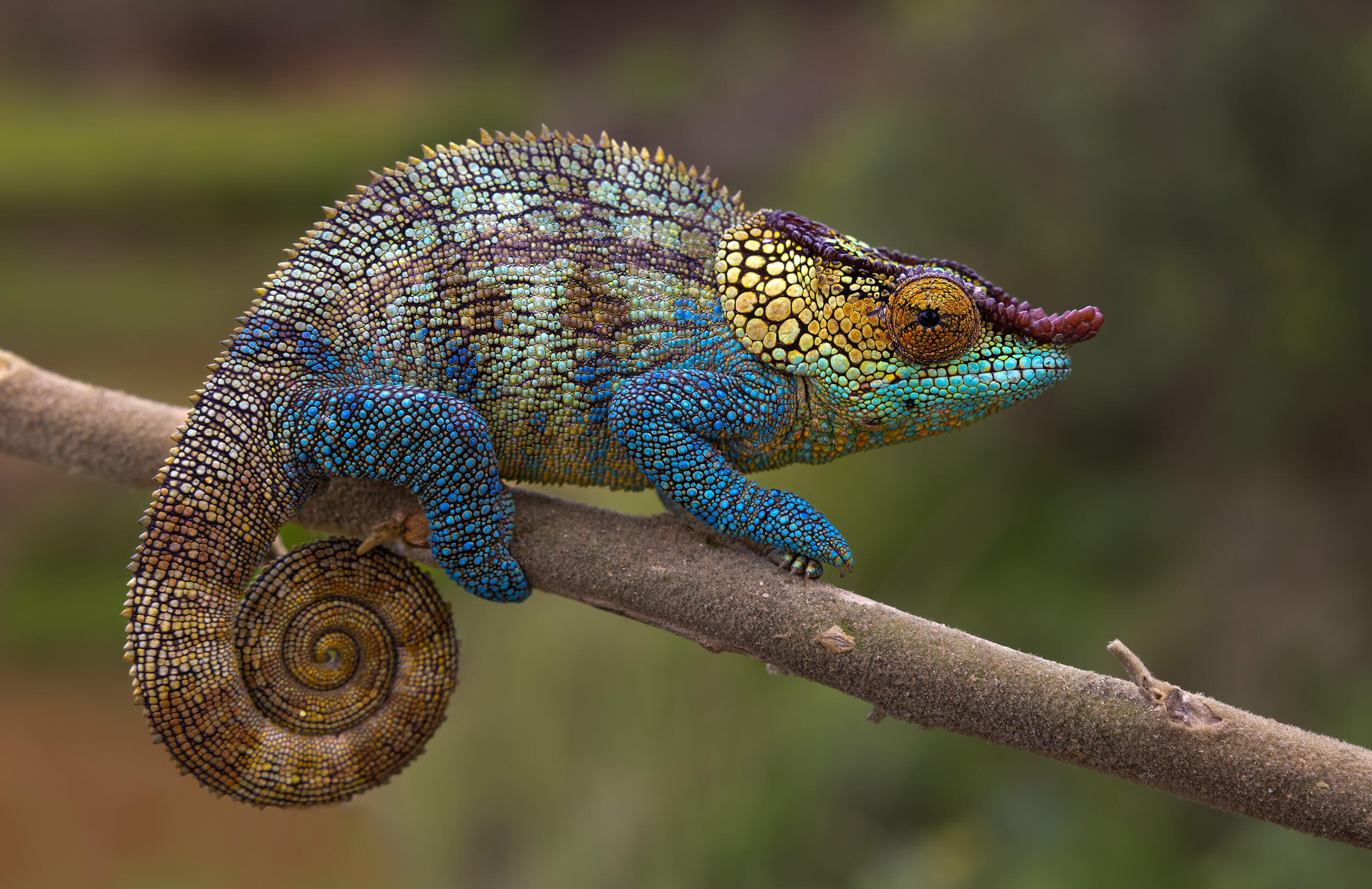
After breakfast, we'll make a brief stop at Lac Alarobia, a productive urban wetland that provides an excellent introduction to Madagascar's birdlife before boarding our domestic flight to Tulear. From there, we'll travel to the coastal village of Ifaty, home to one of the world's most remarkable ecosystems—the endemic spiny forest. Unlike any habitat found elsewhere on Earth, this landscape is dominated by towering octopus trees, baobabs, and bizarre thorn-covered plants that have evolved in Madagascar's arid southwest. After dark, we'll enjoy our first night walk, searching for chameleons, geckos, and other nocturnal wildlife.
Night in Ifaty
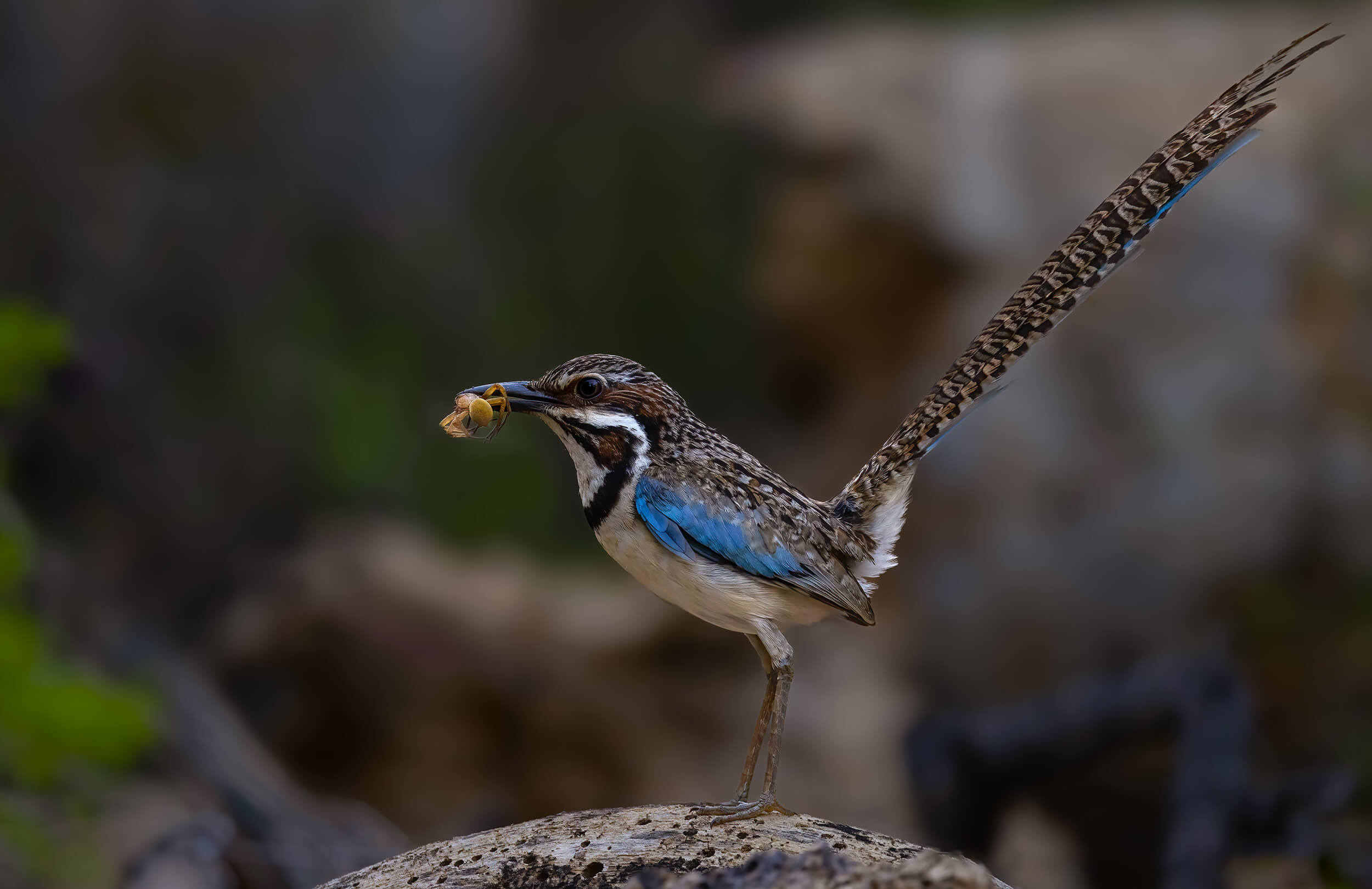
Day 3 Exploring the Spiny Forests of Ifaty
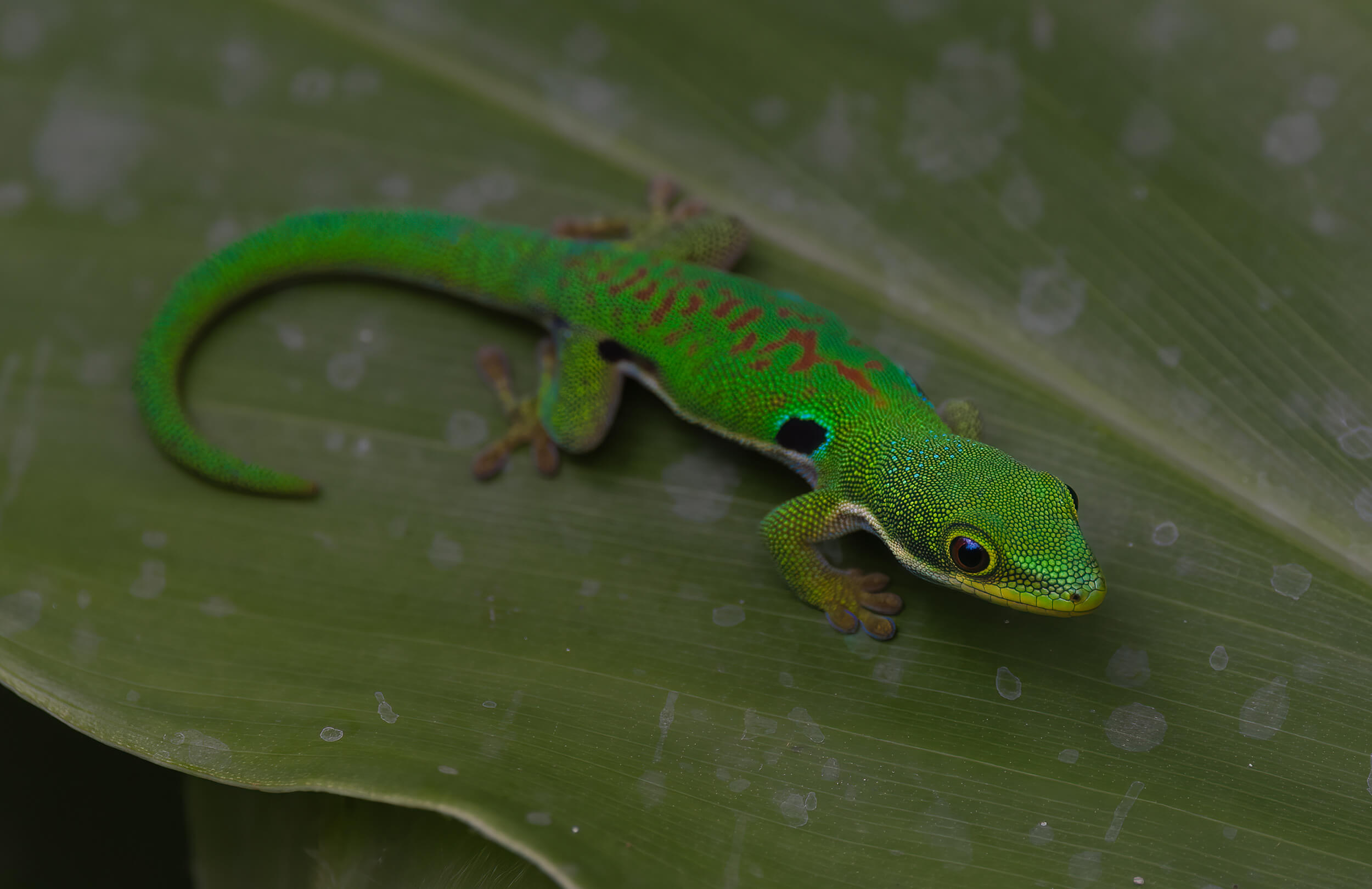
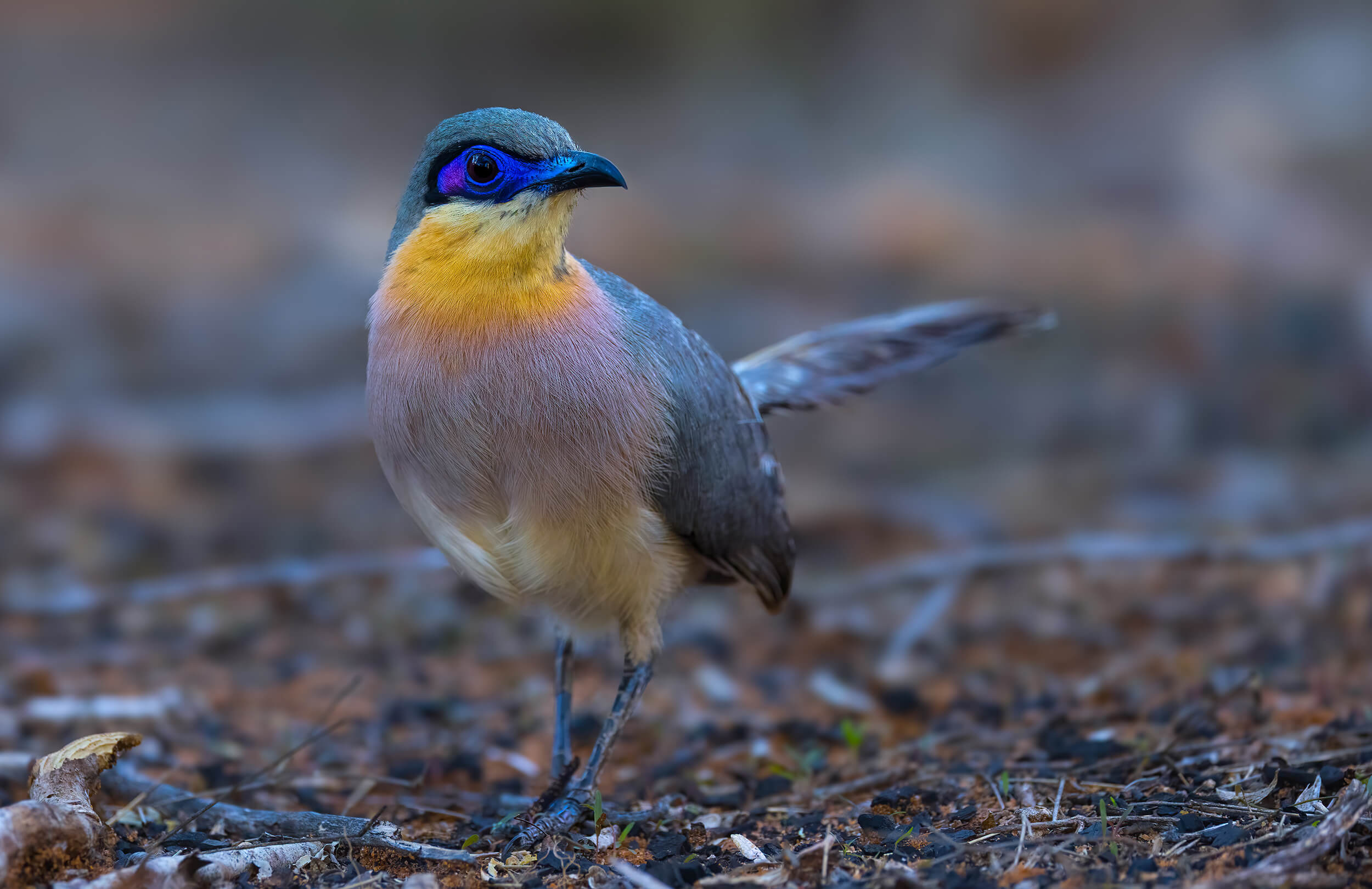
Today we spend a full day exploring the incredible spiny forests and nearby coastal habitats surrounding Ifaty. This region is home to some of Madagascar's most sought-after endemic birds, including the spectacular Long-tailed Ground-Roller, Subdesert Mesite, Running Coua, Olive-backed Coua, Sickle-billed Vanga, and Madagascar Harrier-Hawk. Along the coast we'll search for Madagascar Plover and Three-banded Plover, in the evening we return to the forest in search of Madagascar Nightjar, mouse lemurs, sportive lemurs, radiated and spider tortoises, colorful day geckos, ground geckos, iguanas, and several species of chameleons
Night in Ifaty
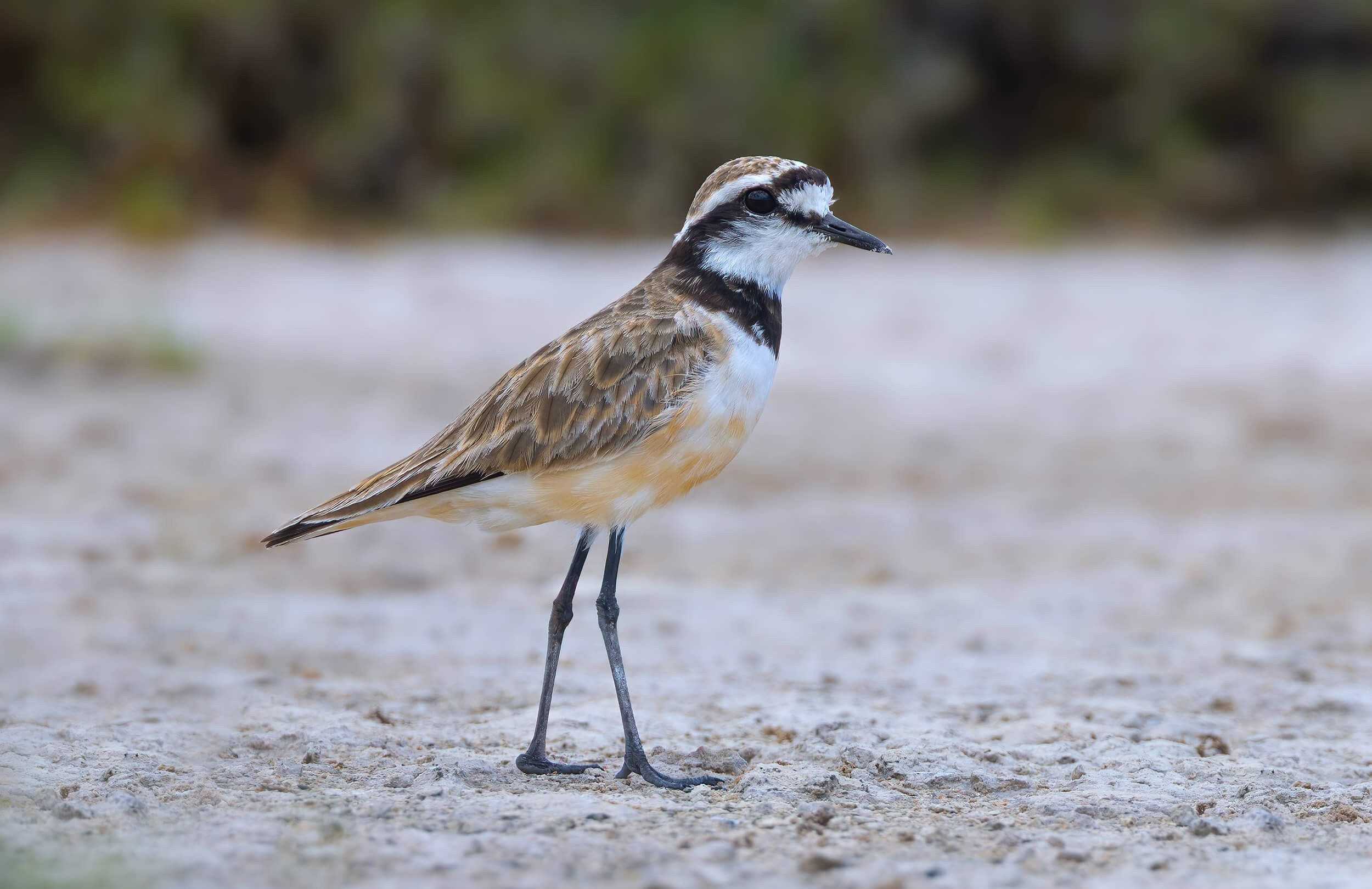
Day 4 Nosy Ve – Madagascar's Bird Island
This morning we'll travel by boat to Nosy Ve, a small offshore island renowned as one of Madagascar's finest seabird colonies. The island is one of the most reliable places in the world to observe Red-tailed Tropicbirds nesting at close range and also offers excellent opportunities for Crab Plover, White-fronted Plover, and the localized Littoral Rock-Thrush. After returning to Ifaty, we'll have another opportunity to explore the surrounding spiny forest after dark for additional nocturnal wildlife.
Night in Ifaty
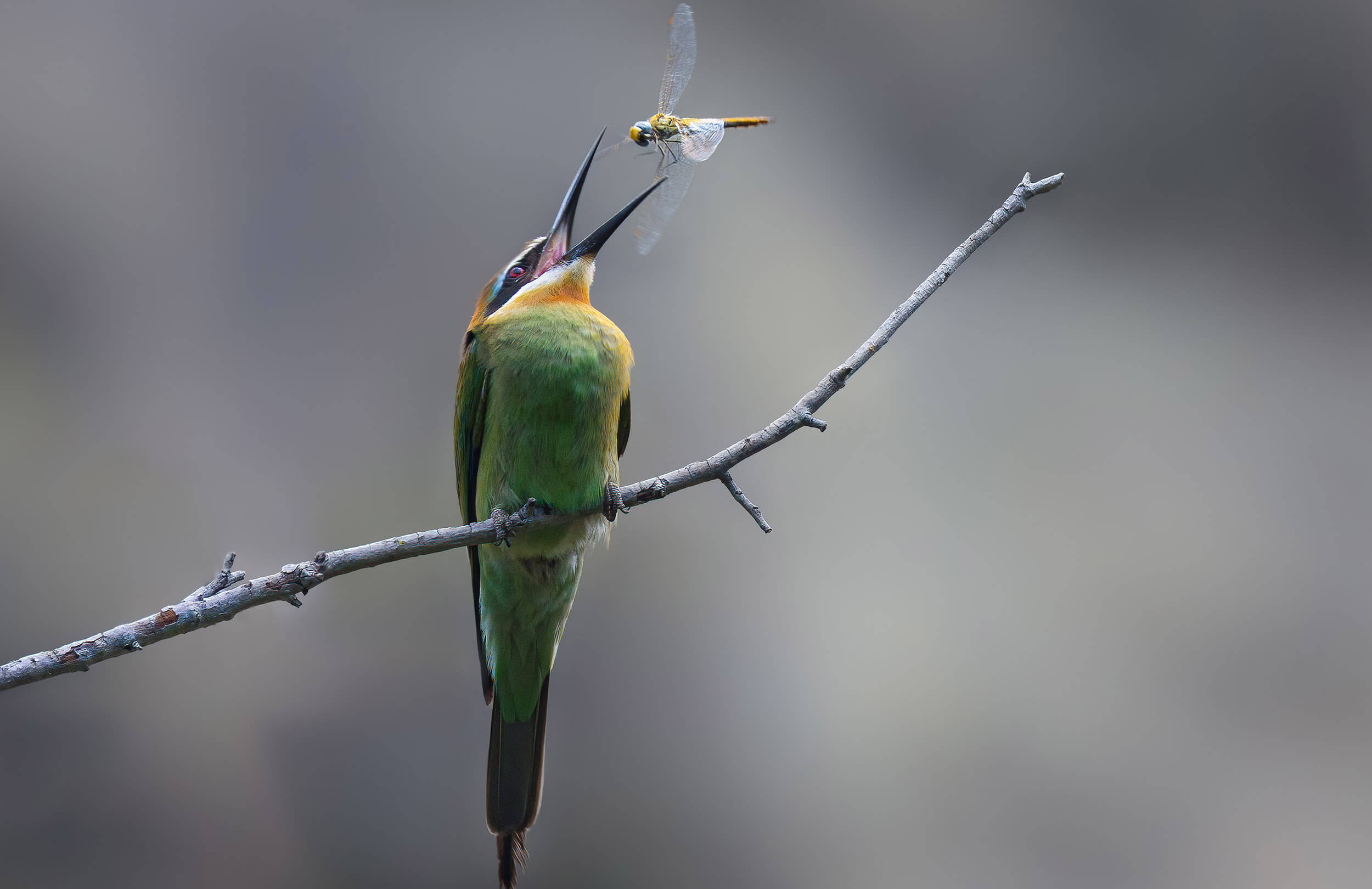
Day 5 Across Madagascar's Southwest to Isalo National Park
Today we leave the spiny forests of Ifaty behind as we journey inland toward the spectacular sandstone landscapes of Isalo National Park. The drive showcases Madagascar's incredible diversity, with the dry coastal scrub gradually giving way to open grasslands, rocky outcrops, and sweeping savannas. We'll make frequent stops along the way to investigate roadside birds, giving us opportunities for species such as Madagascar Partridge, Olive Bee-eater, Madagascar Cisticola, and Madagascar Lark. Arriving in the Isalo region by late afternoon, we'll settle into our lodge before heading out after dark for another evening of spotlighting. The rocky canyons and surrounding scrub provide a completely different nocturnal experience from the spiny forest, and we'll search for owls, reptiles, and other night-active wildlife before preparing for a full day of exploration tomorrow.
Night in Isalo
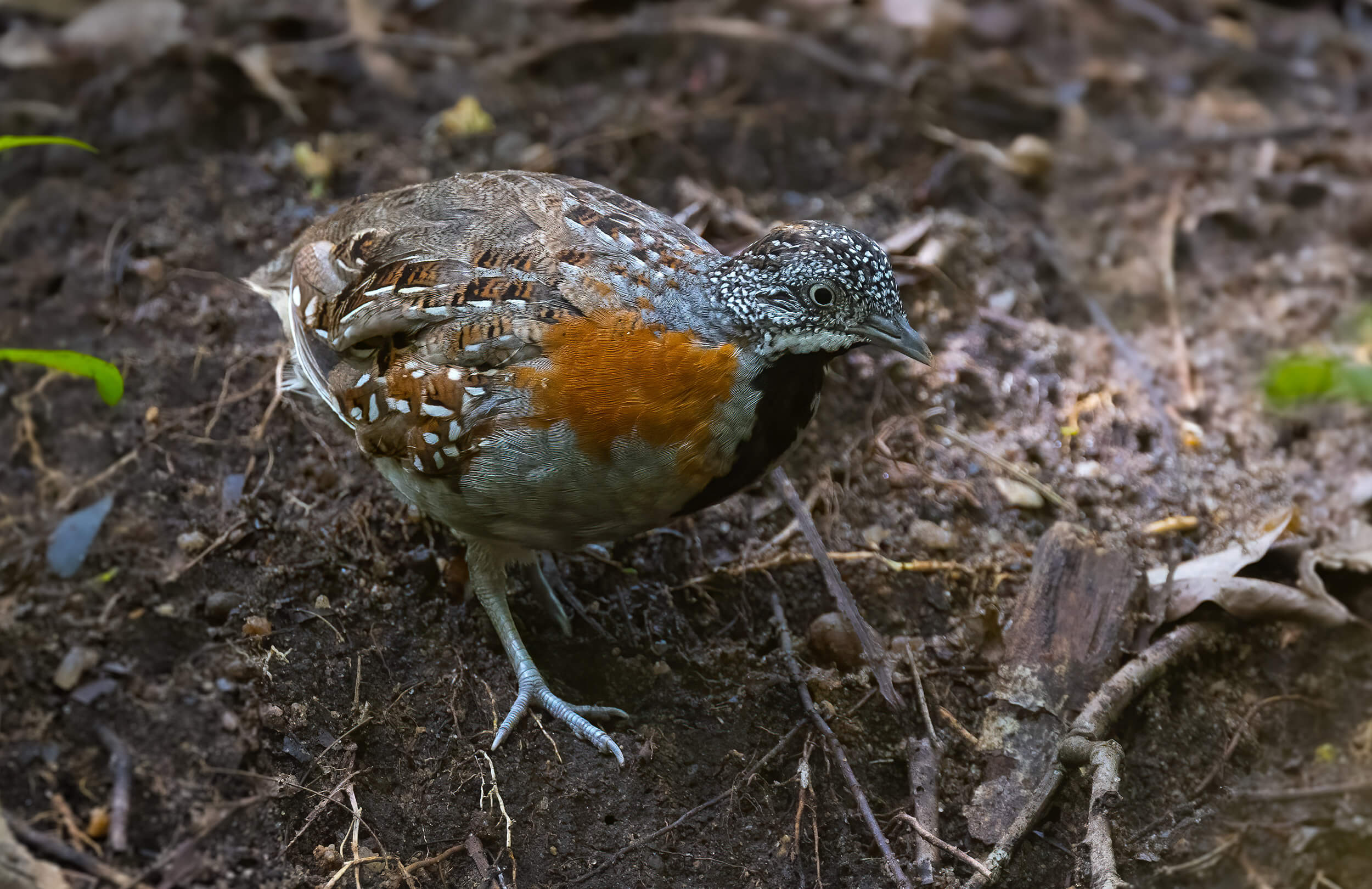
Day 6 The Sandstone Canyons of Isalo National Par
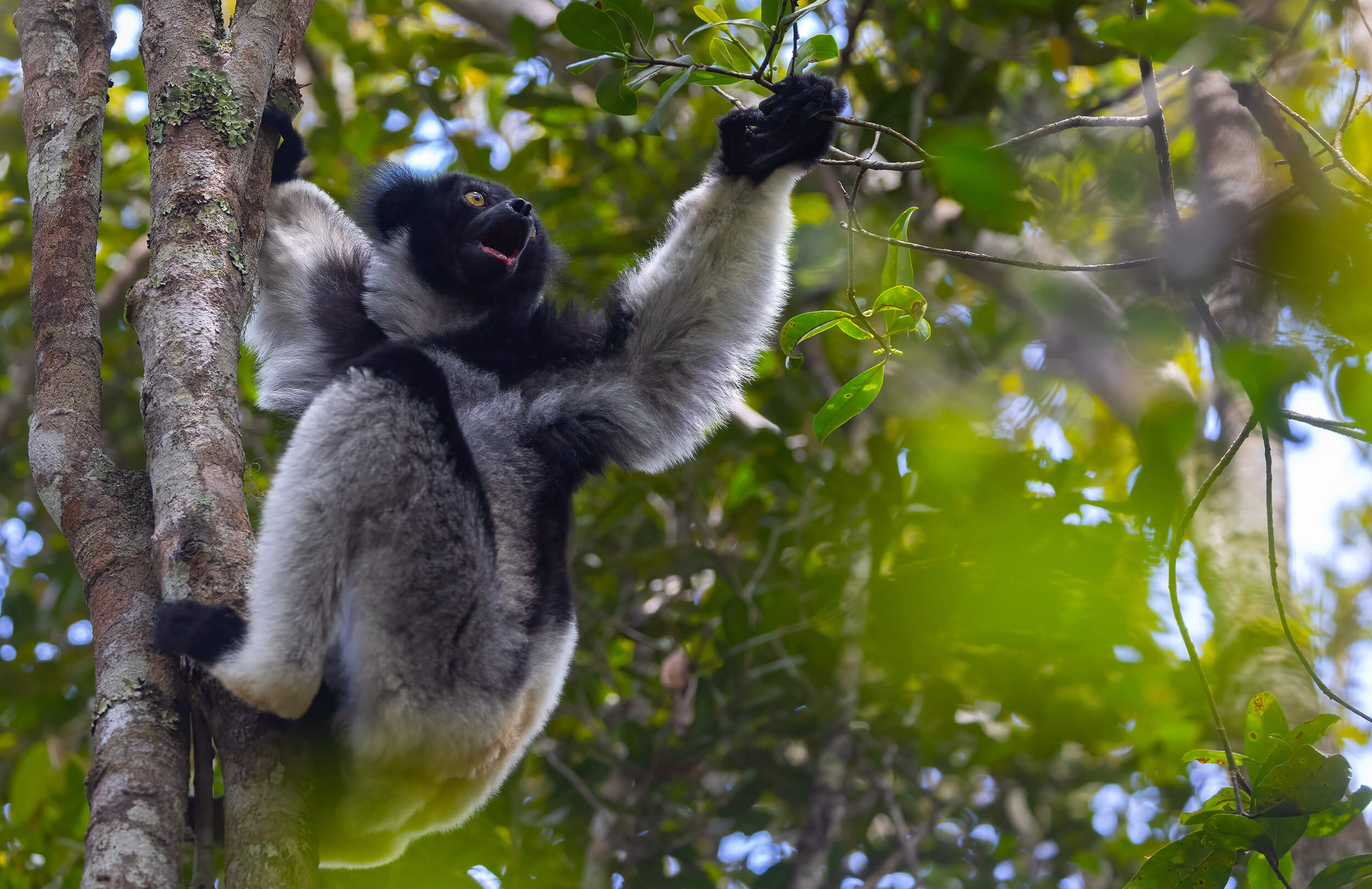
Today we'll explore one of Madagascar's most iconic national parks. Isalo is famous for its dramatic sandstone canyons, towering cliffs, natural pools, and rugged landscapes that have earned it the nickname "Madagascar's Grand Canyon." While the scenery alone is unforgettable, the park also supports an impressive collection of endemic wildlife. Throughout the day we'll search for specialties including Broad-billed Roller, Littoral Rock-Thrush, Madagascar Buttonquail, White-throated Rail, Madagascar Hoopoe, Gray-headed Lovebird, Crested Drongo, and, with luck, the elusive White-browed Owl. The park is also among the best places to observe Ring-tailed Lemurs and the graceful Verreaux's Sifaka, often feeding on the canyon walls or sunning themselves on exposed rocks. We'll also keep an eye out for the unusual Hedgehog Tenrec, one of Madagascar's remarkable endemic mammals, before another evening exploring the area after dark.
Night in Isalo
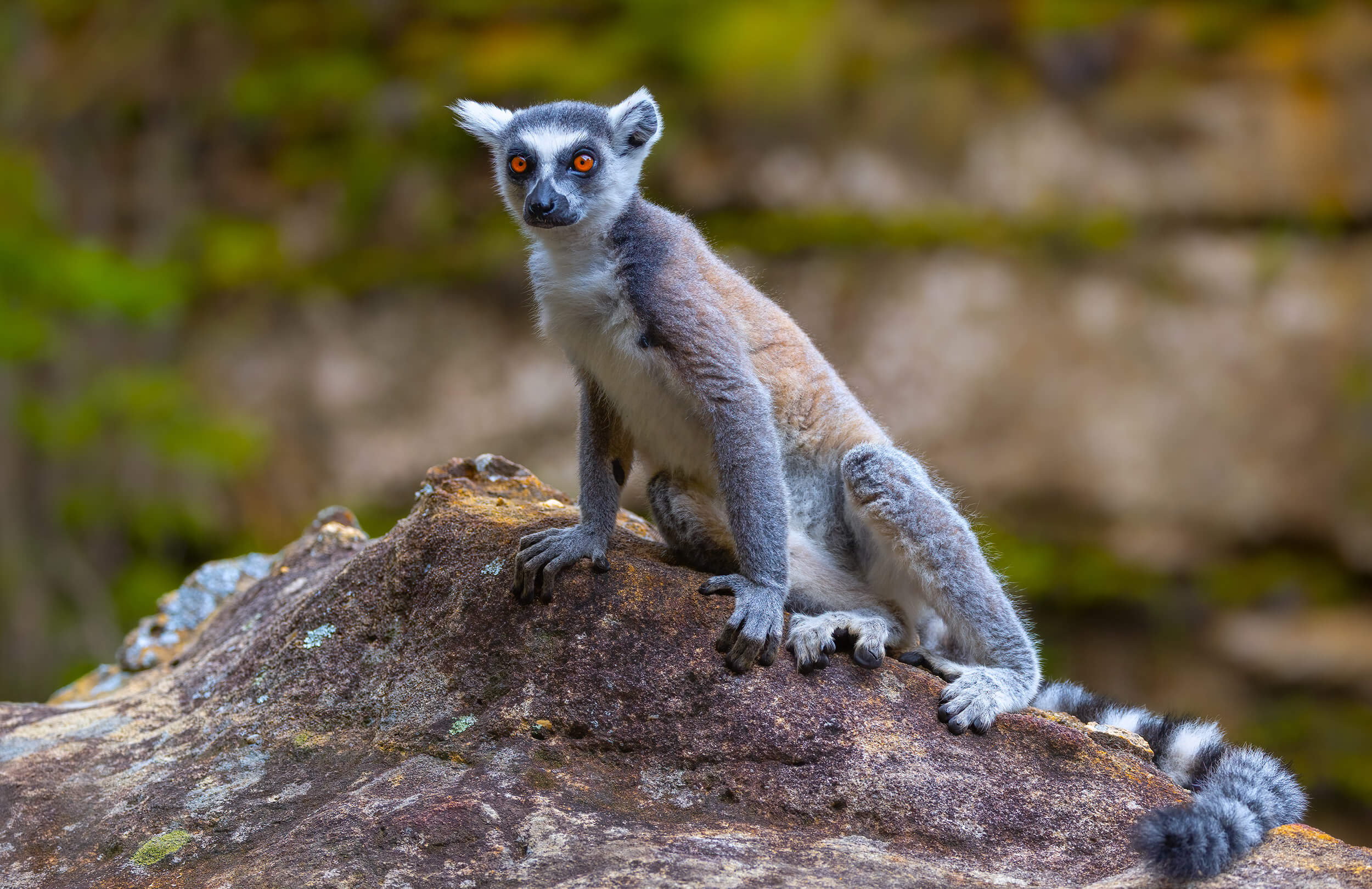
Day 7 Lemurs at Anja and the Southern Highlands
This morning we continue east into Madagascar's central highlands, stopping at the community-managed Anja Reserve. This small reserve has become one of Madagascar's great conservation success stories, protecting a healthy population of Ring-tailed Lemurs while providing sustainable income for the local community. The reserve also offers excellent opportunities to find Oustalet's Giant Chameleon and the impressive Ground Boa, often seen basking among the granite boulders. Throughout the drive we'll continue watching for open-country birds including Madagascar Partridge, Olive Bee-eater, Madagascar Lark, and Madagascar Cisticola before arriving in the charming highland town of Ambalavao for the evening.
Night in Ambalavao
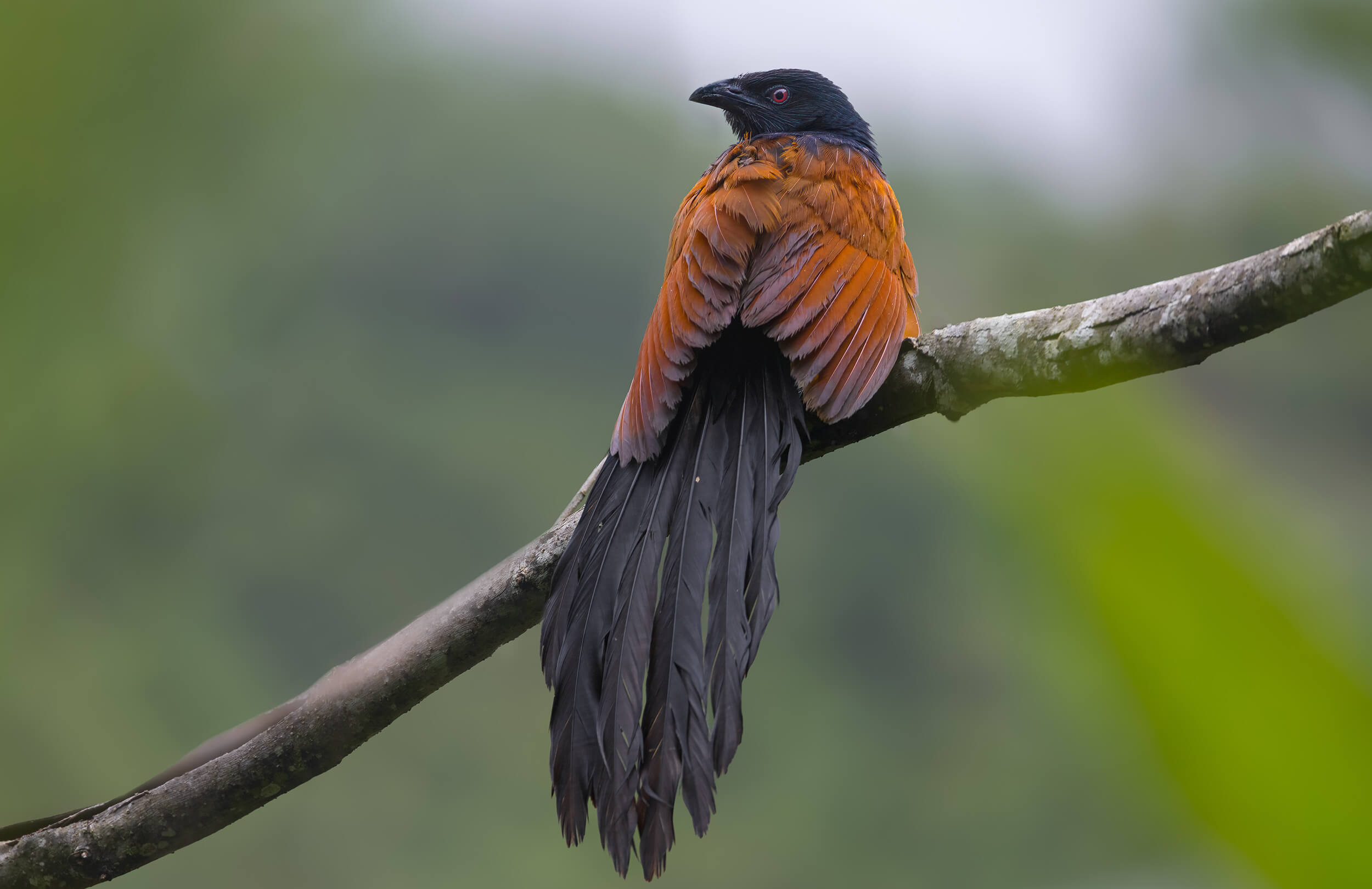
Day 8 Into Madagascar's Eastern Rainforest
Today's drive marks another dramatic transition as we leave the dry western landscapes behind and descend into Madagascar's lush eastern rainforests. Our destination is Ranomafana National Park, one of the island's premier biodiversity hotspots and home to an astonishing concentration of endemic birds, mammals, reptiles, and amphibians. As the forests become denser and the climate noticeably more humid, we'll begin watching for our first rainforest species before settling into our lodge. After dinner, we'll enjoy our first night walk around Ranomafana, where the forest comes alive with colorful chameleons, leaf-tailed geckos, frogs, mouse lemurs, and a variety of nocturnal creatures that are often just as exciting as the birds we'll search for during the day.
Night in Ranomafana
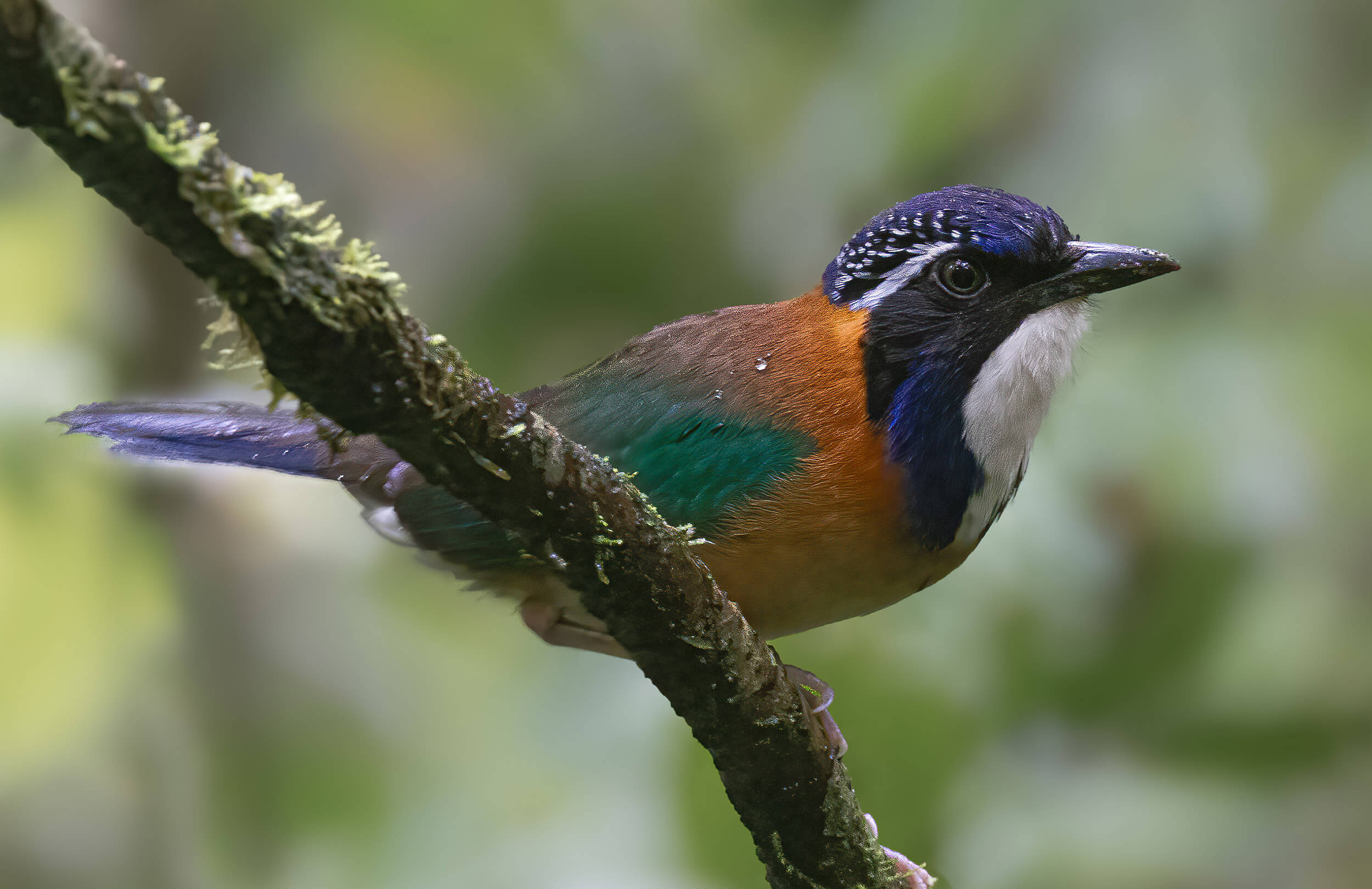
Day 9 Ranomafana National Park – Ground-Roller Country
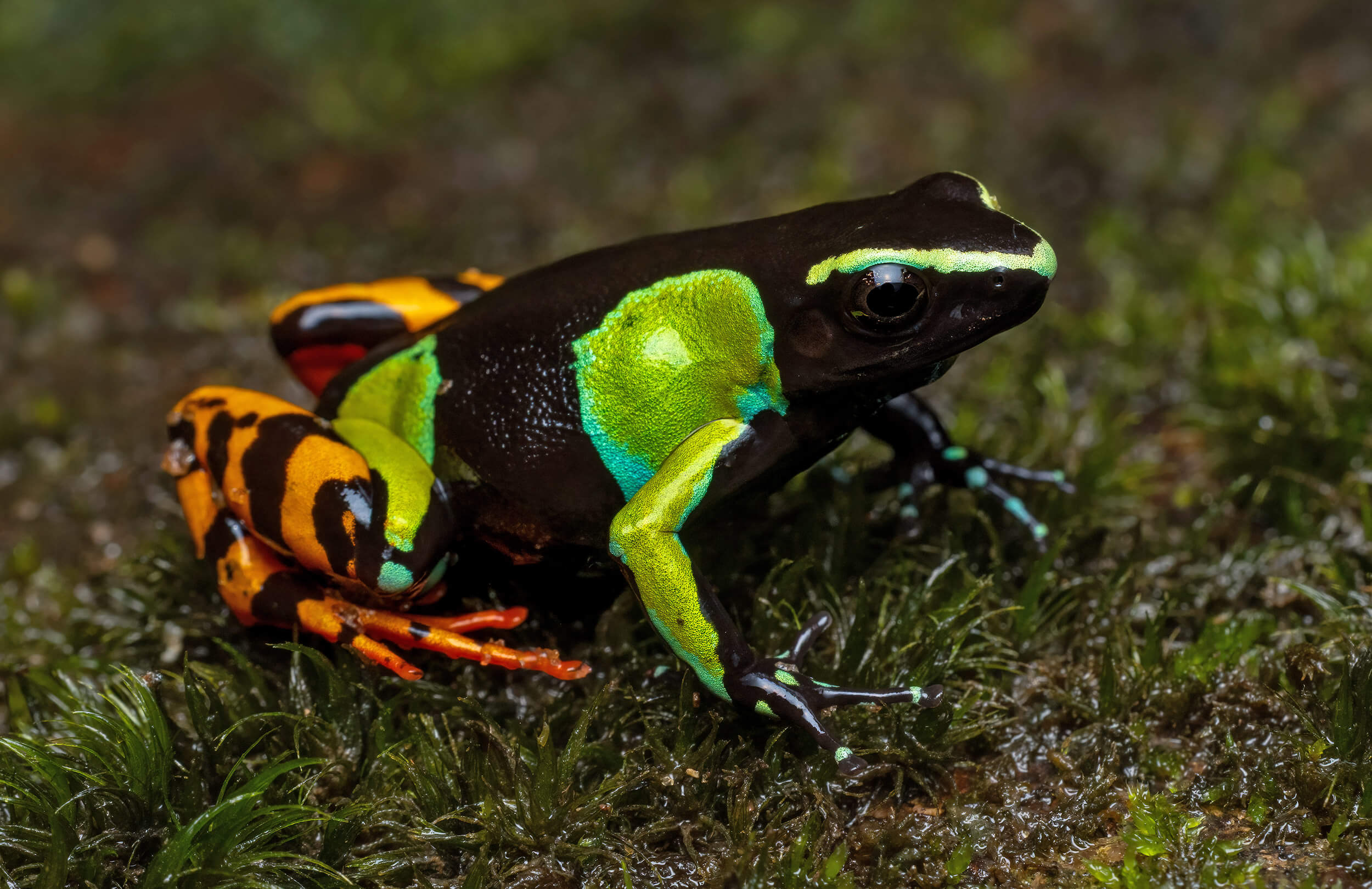
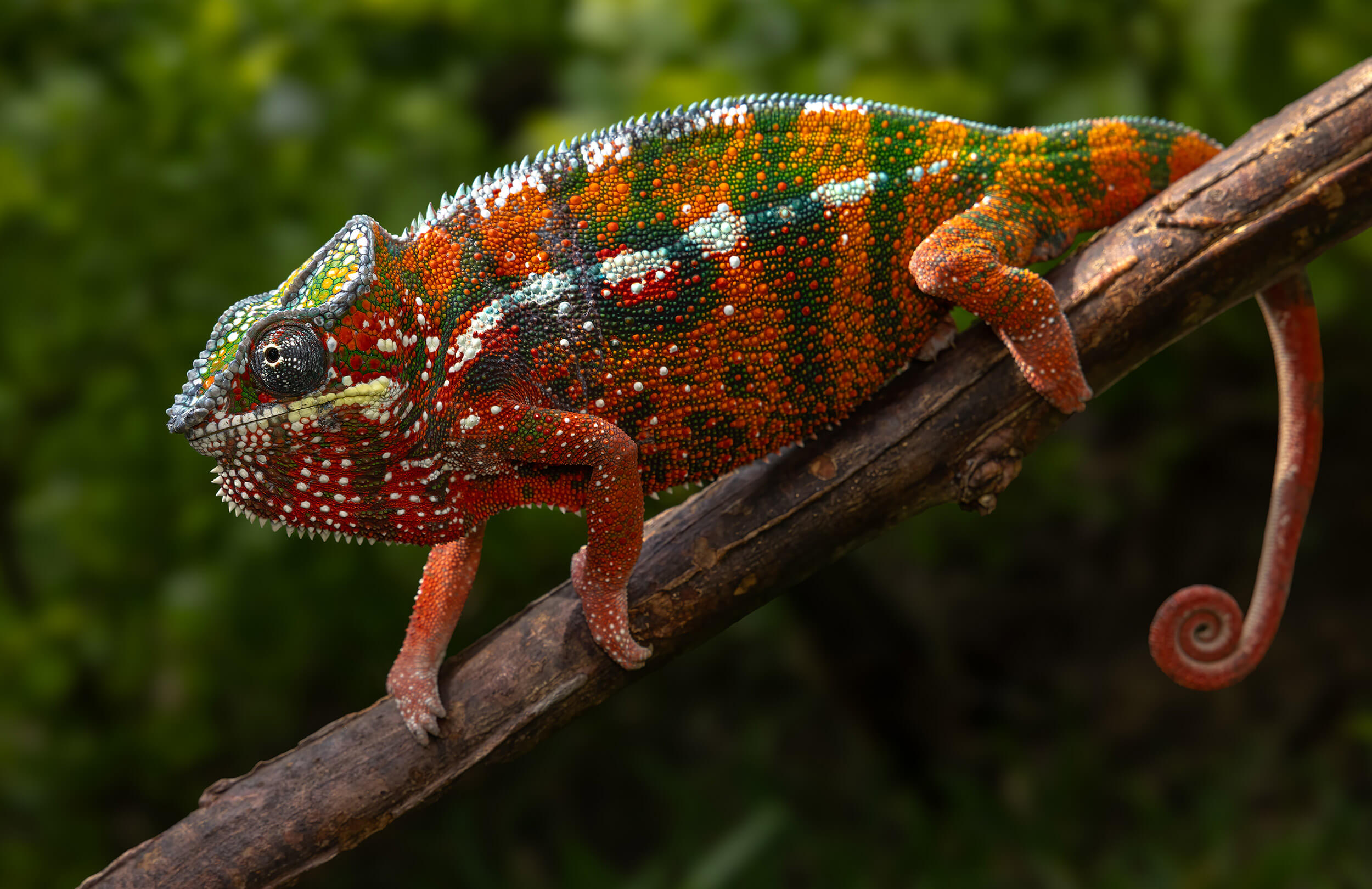
Our first full day in Ranomafana focuses on one of Madagascar's greatest birding spectacles—the remarkable ground-rollers. These secretive forest birds are among the island's most sought-after endemics, and we'll spend the day exploring trails through pristine rainforest in search of Pitta-like Ground-Roller, Scaly Ground-Roller, and Short-legged Ground-Roller. Along the way we'll also target species including Blue Coua, Red-breasted Coua, Velvet Asity, Crossley's Vanga, Spectacled Tetraka, White-throated Oxylabes, Madagascar Pygmy-Kingfisher, and the dazzling Common Sunbird-Asity. The forest is equally rewarding for mammals, and we'll search for the endangered Golden Bamboo Lemur, while evening once again belongs to the reptiles and amphibians, with opportunities for brilliantly colored Bright-eyed frogs, leaf-tailed geckos, and numerous species of chameleon.
Night in Ranomafana
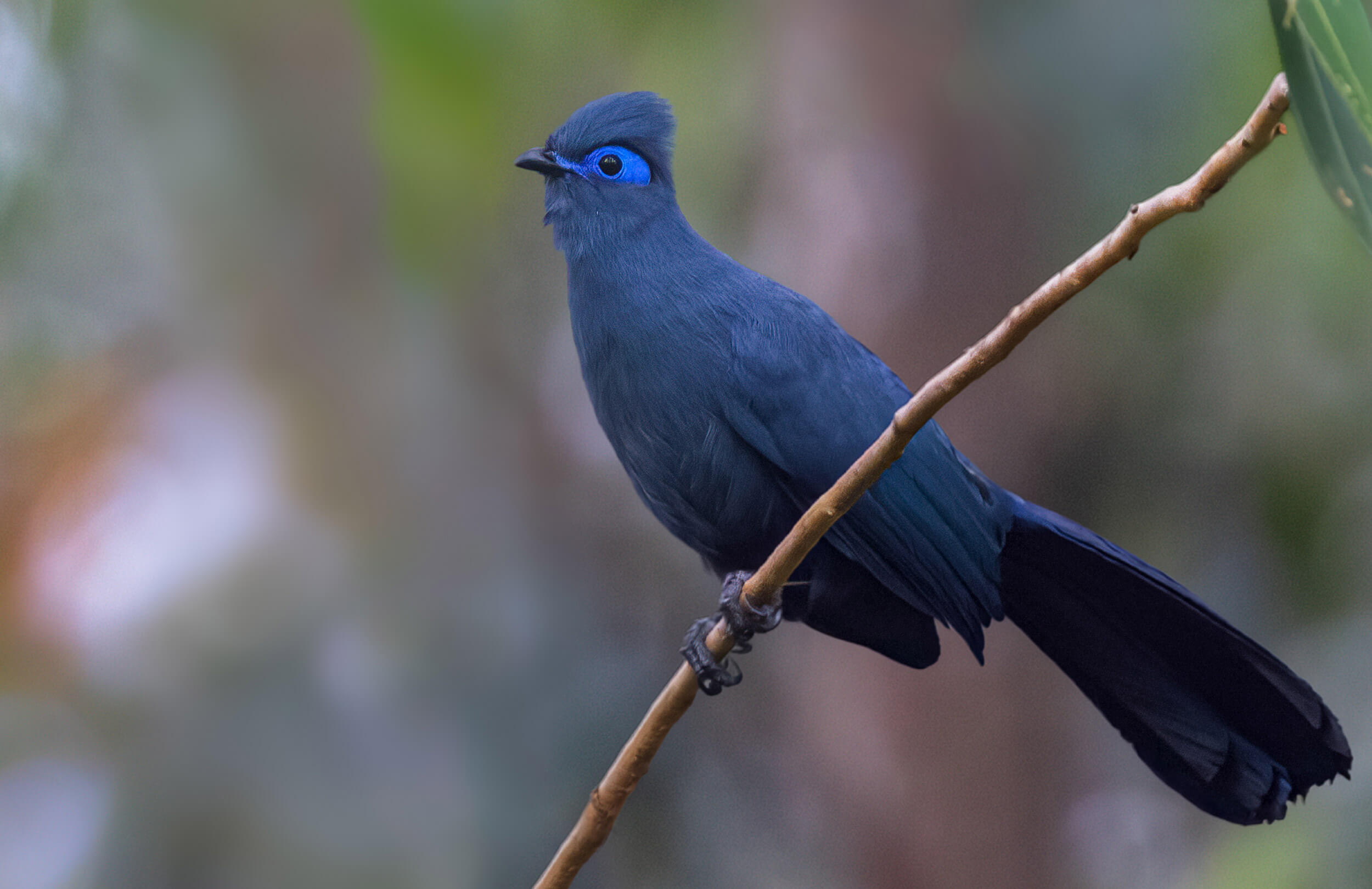
Day 10 Exploring the Heart of Ranomafana
With another full day available, we'll continue exploring different sections of Ranomafana National Park, allowing us to revisit any target species while searching for additional rainforest specialties. Mixed-species flocks often produce exciting encounters with vangas, tetrakas, and couas, while the dense understory can reveal species missed the previous day. Beyond the birds, we'll continue searching for Golden Bamboo Lemurs, Mouse Lemurs, Sportive Lemurs, Dwarf Lemurs, and the elusive Ring-tailed Vontsira, one of Madagascar's endemic carnivores. Another evening walk offers fresh opportunities for reptiles and amphibians, as every night in the rainforest seems to reveal a completely different collection of wildlife.
Night in Ranomafana
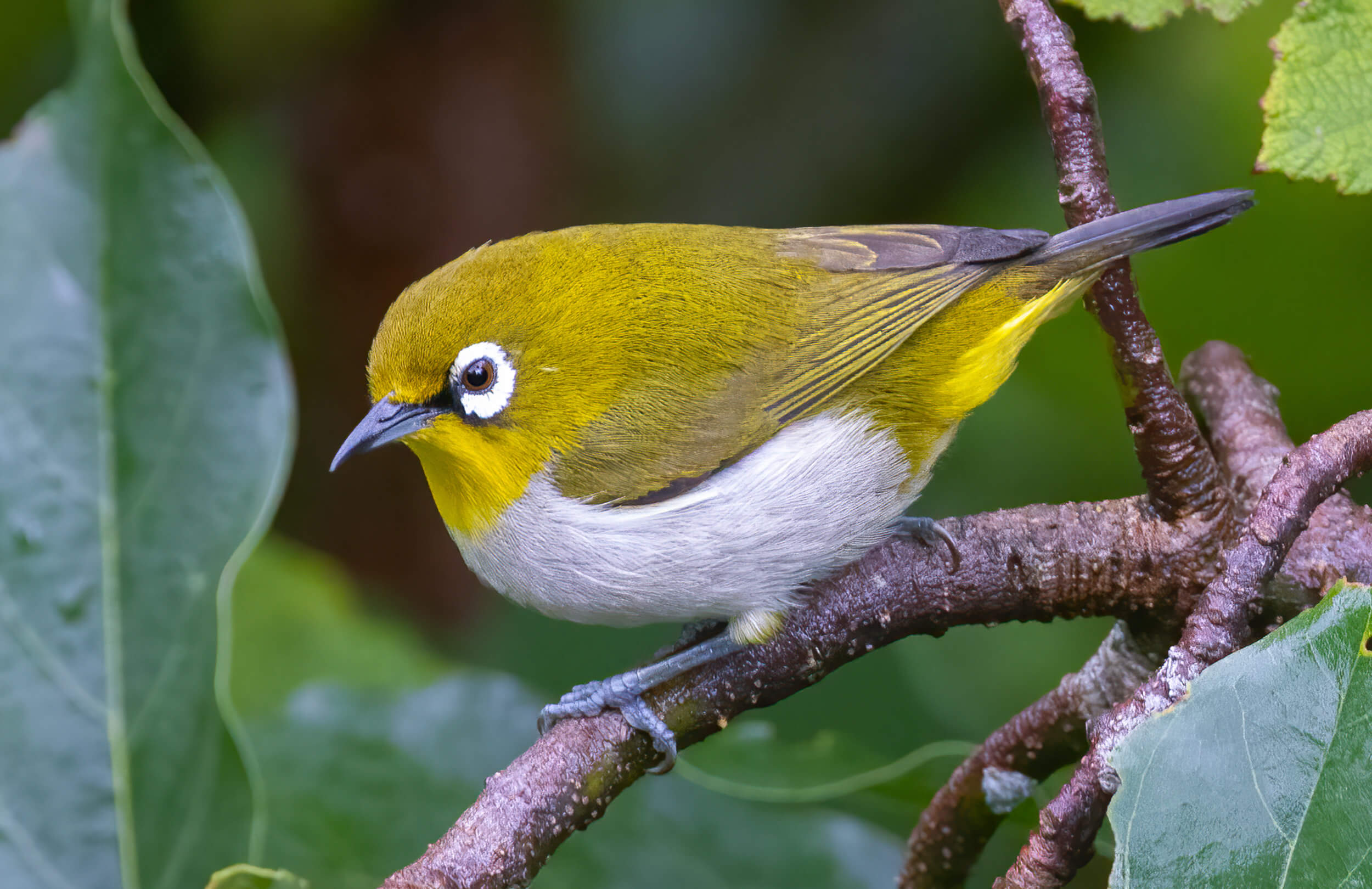
Day 11 A Final Morning in Ranomafana
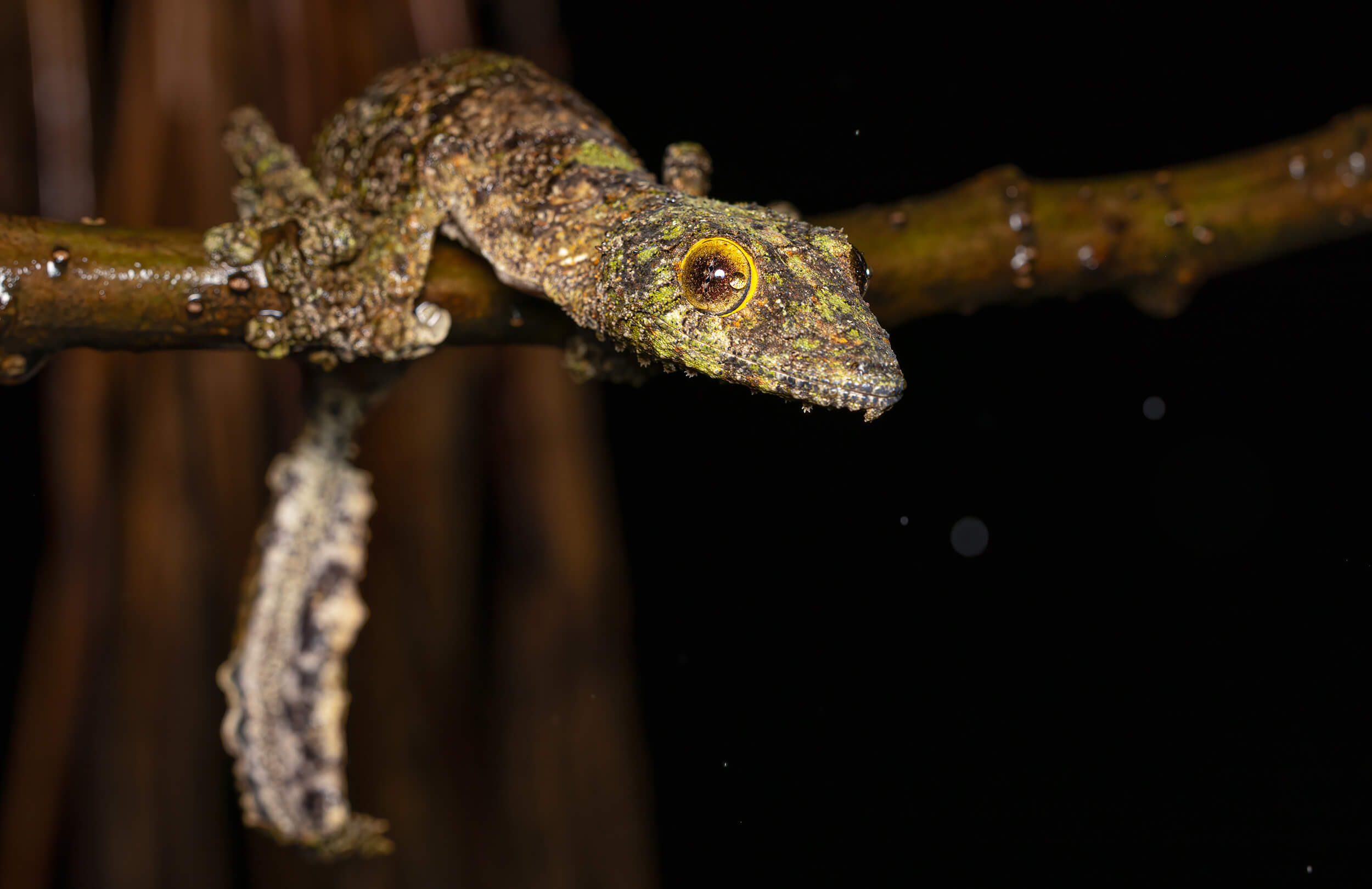
Our final day in Ranomafana provides flexibility to revisit productive trails, photograph species we've already found, or focus on any remaining target birds. One of the advantages of spending several days in this incredible rainforest is that it allows us to bird at a relaxed pace while adapting to weather, mixed flocks, and recent sightings. Whether we're watching a brilliantly colored asity in the canopy, quietly waiting for another ground-roller to emerge onto the forest floor, or photographing leaf-tailed geckos perfectly camouflaged against tree trunks, today offers one final opportunity to enjoy one of Madagascar's finest protected forests before continuing north tomorrow.
Night in Ranomafana
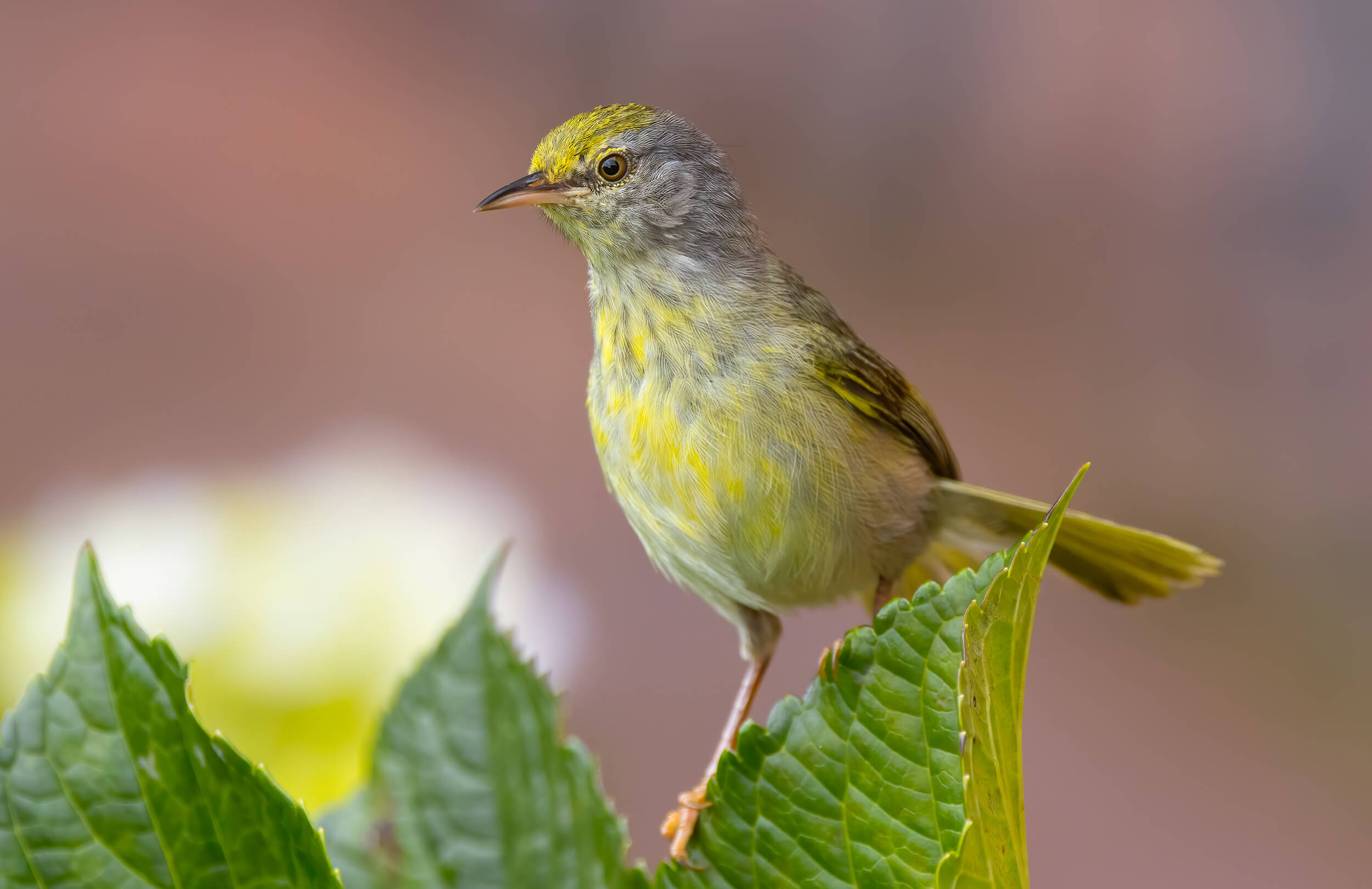
Day 12 The Central Highlands to Antsirabe
Today we leave the rainforest behind and travel through Madagascar's scenic central highlands toward the historic city of Antsirabe. Along the way we'll pass rice terraces, traditional villages, and volcanic landscapes that offer a fascinating glimpse into rural Malagasy life. Although primarily a travel day, we'll continue watching for roadside birds and stop whenever worthwhile opportunities present themselves. Arriving in Antsirabe during the afternoon, we'll enjoy a relaxing evening as we prepare for the final leg of our expedition into Madagascar's eastern forests.
Night in Antsirabe
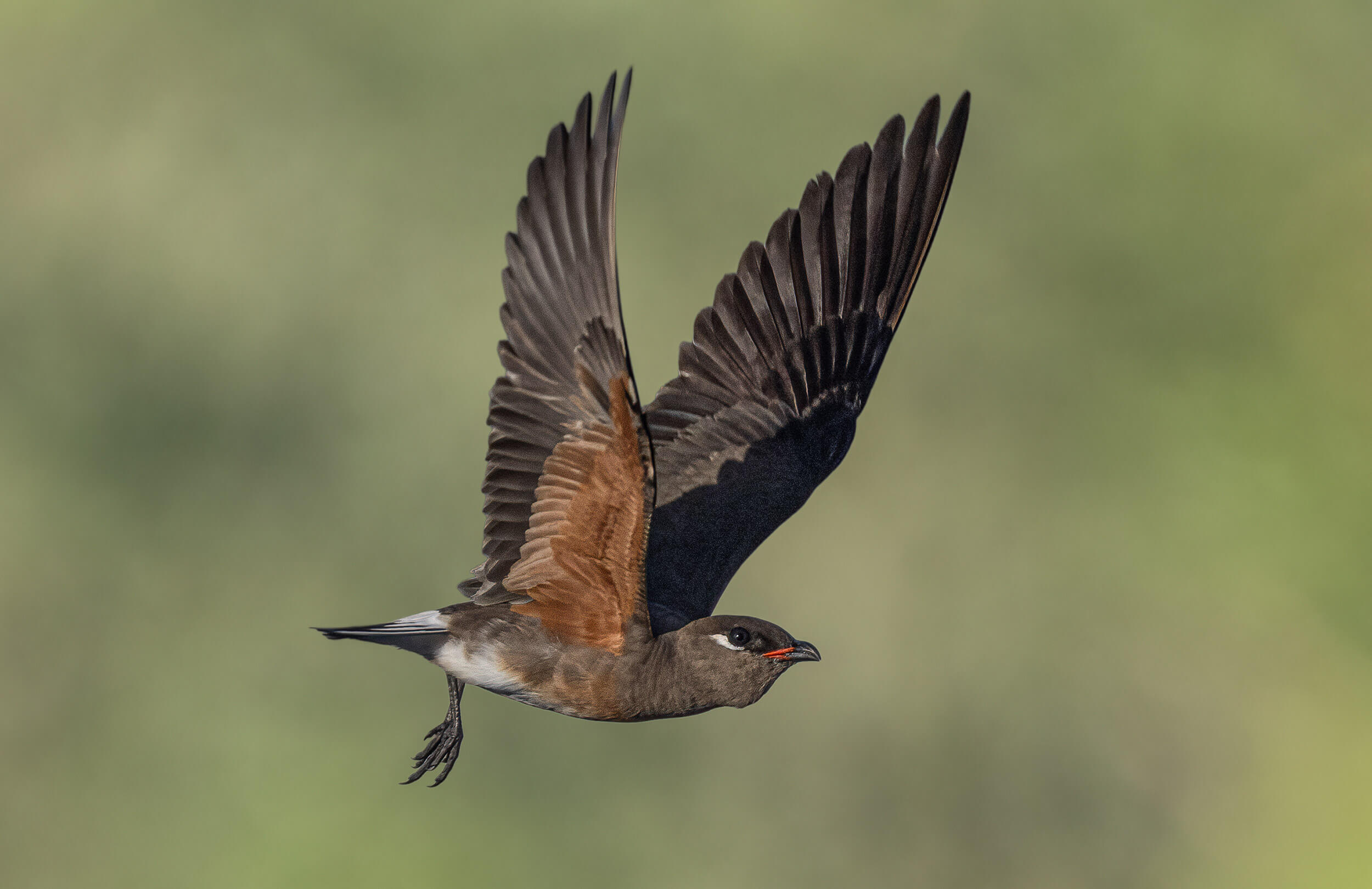
Day 13 Journey to Andasibe
This morning we continue east toward the legendary forests of Andasibe, perhaps Madagascar's most famous wildlife destination. The forests here are among the island's most accessible and productive, supporting an exceptional diversity of birds, reptiles, amphibians, and lemurs. After arriving and settling into our lodge, we'll head out on an evening walk through the surrounding forest. Night walks around Andasibe are consistently among the best in Madagascar, offering excellent chances to observe colorful chameleons, leaf-tailed geckos, tree frogs, and perhaps our first glimpse of the remarkable nocturnal wildlife that calls these forests home.
Night in Andasibe
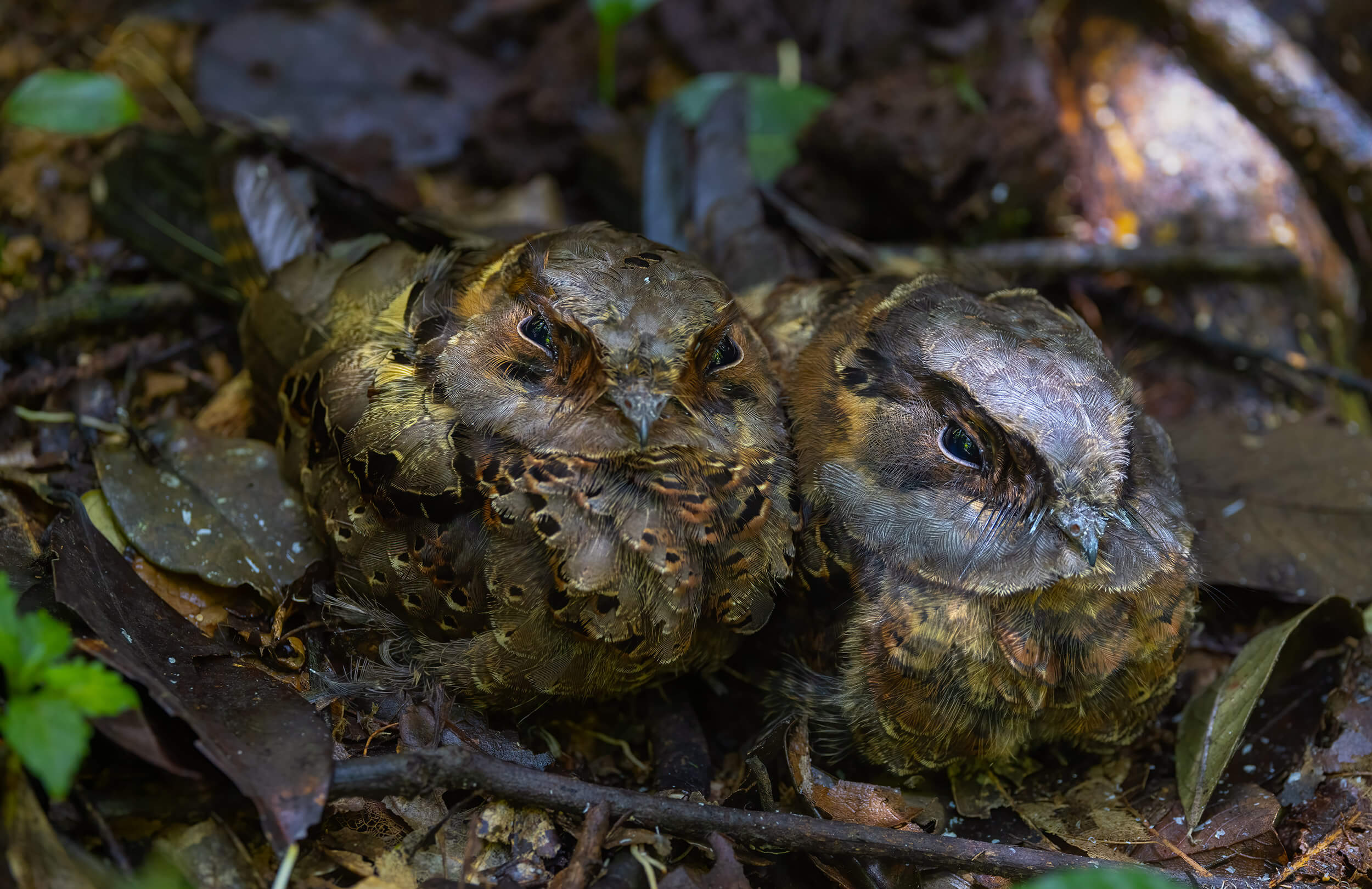
Day 14 The Indri Forests of Andasibe
We begin exploring Andasibe National Park, where the haunting calls of the Indri often echo through the forest shortly after sunrise. The Indri is the largest living lemur and one of Madagascar's most iconic mammals, making this one of the highlights of the entire tour. Birding is equally rewarding as we search for Rufous-headed Ground-Roller, Madagascar Ibis, Madagascar Forest Rail, Blue Vanga, Red-fronted Coua, Nuthatch-Vanga, Helmet Vanga, Henst's Goshawk, Madagascar Pygmy-Kingfisher, Madagascar Flufftail, and, with luck, the elusive Madagascar Long-eared Owl. Reptiles and amphibians are abundant throughout the park, with opportunities to photograph leaf-tailed geckos, golden mantellas, tree boas, numerous chameleons, and an incredible diversity of frogs.
Night in Andasibe
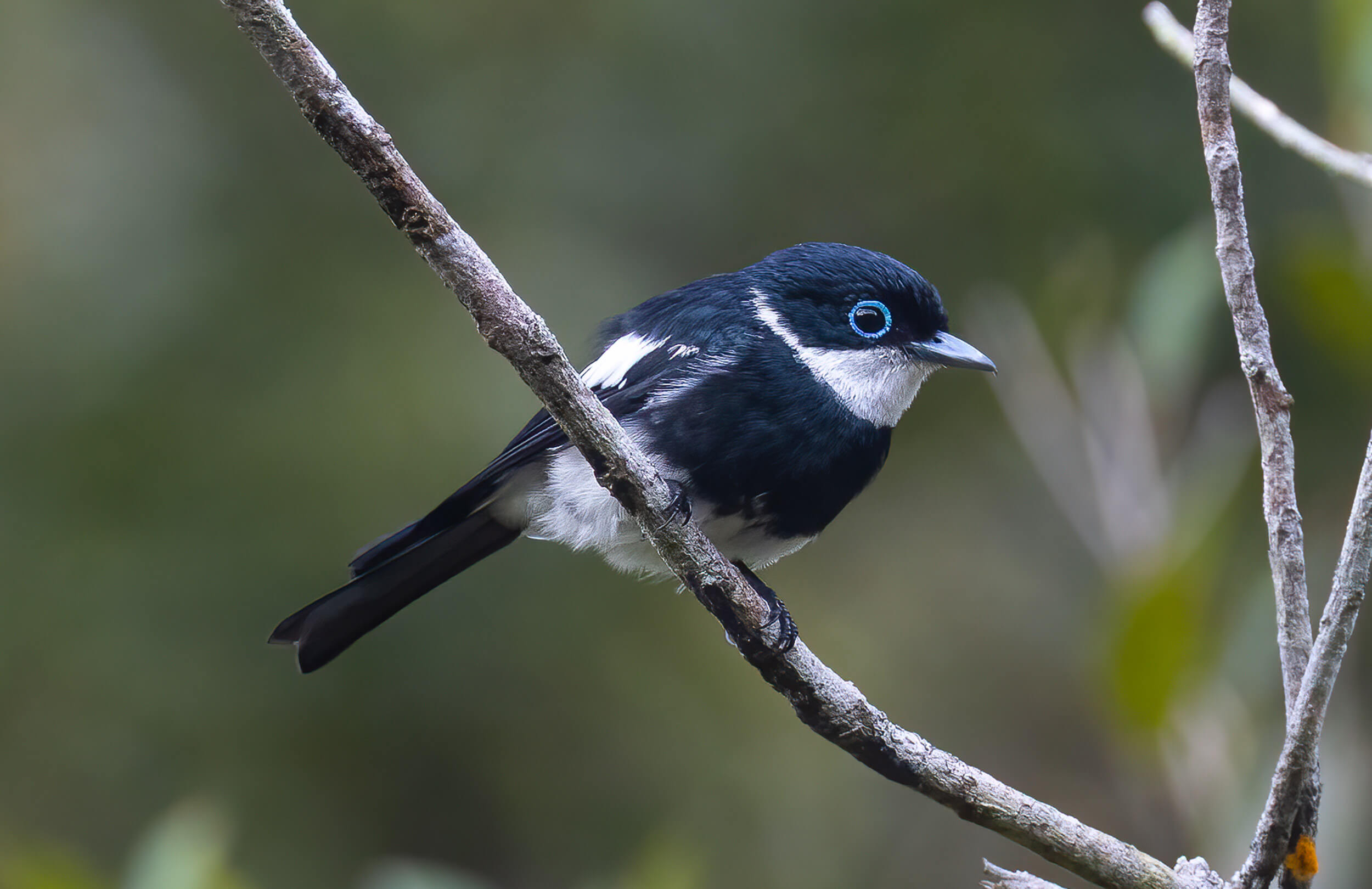
Day 15 Maromizaha – Madagascar's Hidden Rainforest Gem
Today we explore the nearby Maromizaha Forest, a spectacular tract of primary rainforest that is often quieter than the better-known parks while being every bit as productive. The forest's mature canopy and rich understory make it one of the best places to search for mixed feeding flocks, rare vangas, and elusive forest specialists. We'll continue looking for any remaining target birds while enjoying additional opportunities to encounter Indri, Diademed Sifakas, colorful reptiles, and Madagascar's incredible diversity of amphibians. Maromizaha is also a wonderful location for photography thanks to its pristine forest and relatively low visitor numbers.
Night in Andasibe
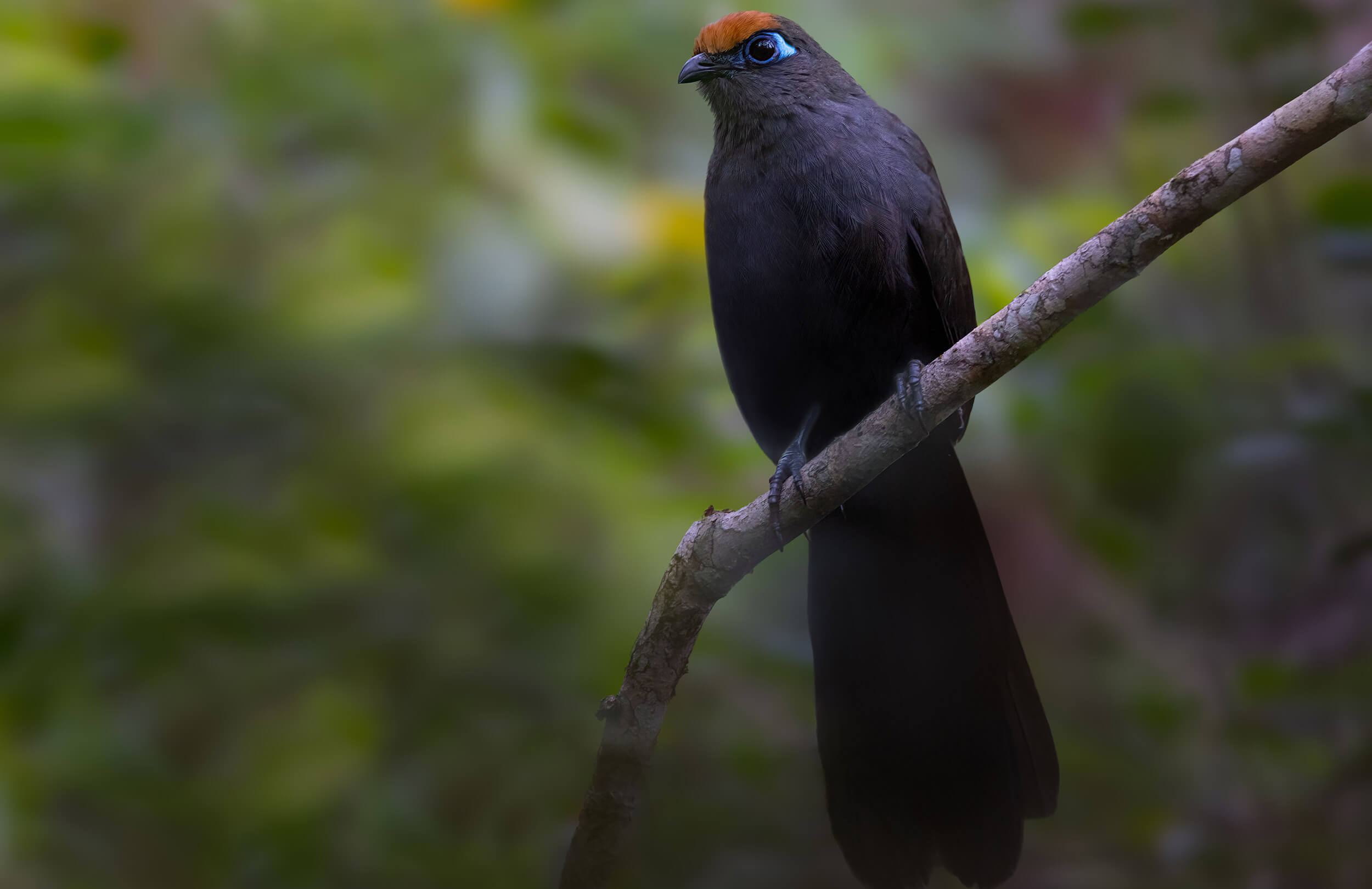
Day 16 Mantadia National Park
Today we visit Mantadia National Park, a higher-elevation rainforest that complements Andasibe beautifully. The steeper terrain supports several species that are less regularly encountered elsewhere, making it one of the premier birding destinations in Madagascar. We'll devote the day to searching for remaining forest specialties while enjoying another opportunity to experience Madagascar's breathtaking eastern rainforest. Mantadia also offers excellent chances to observe additional lemurs, reptiles, and amphibians, and every trail has the potential to produce new surprises.
Night in Andasibe
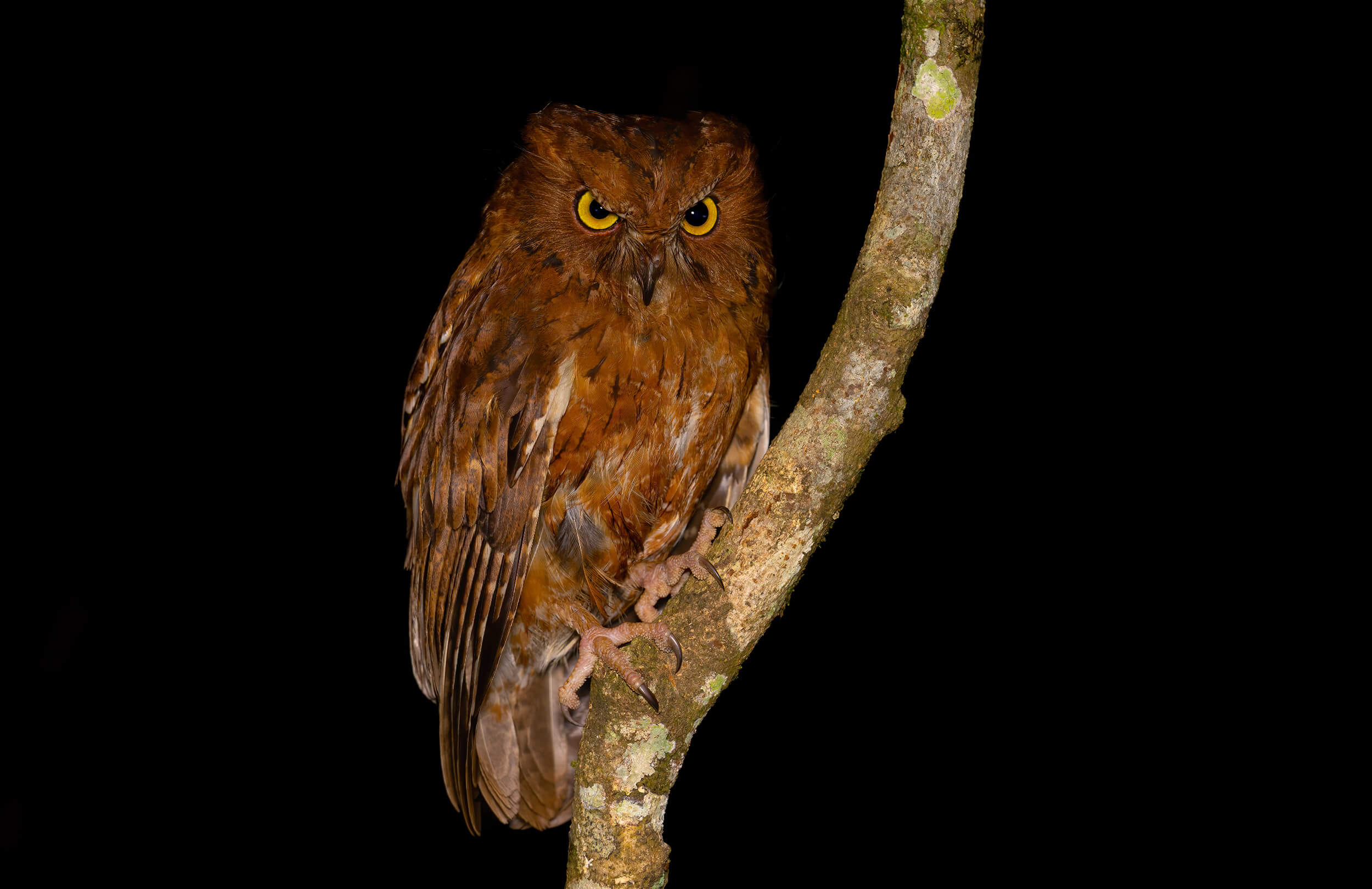
Day 17 Vohimana Community Reserve
Our final full day in the Andasibe region takes us to Vohimana, a remarkable community-managed reserve that protects an important section of Madagascar's rainforest while supporting local conservation initiatives. The reserve provides another opportunity to search for any remaining target birds and often proves especially rewarding for reptiles and amphibians. We'll spend the day exploring the forest at a relaxed pace, enjoying one final immersion in Madagascar's extraordinary biodiversity before returning to the capital tomorrow. As always, our evening concludes with one last night walk through the rainforest.
Night in Andasibe
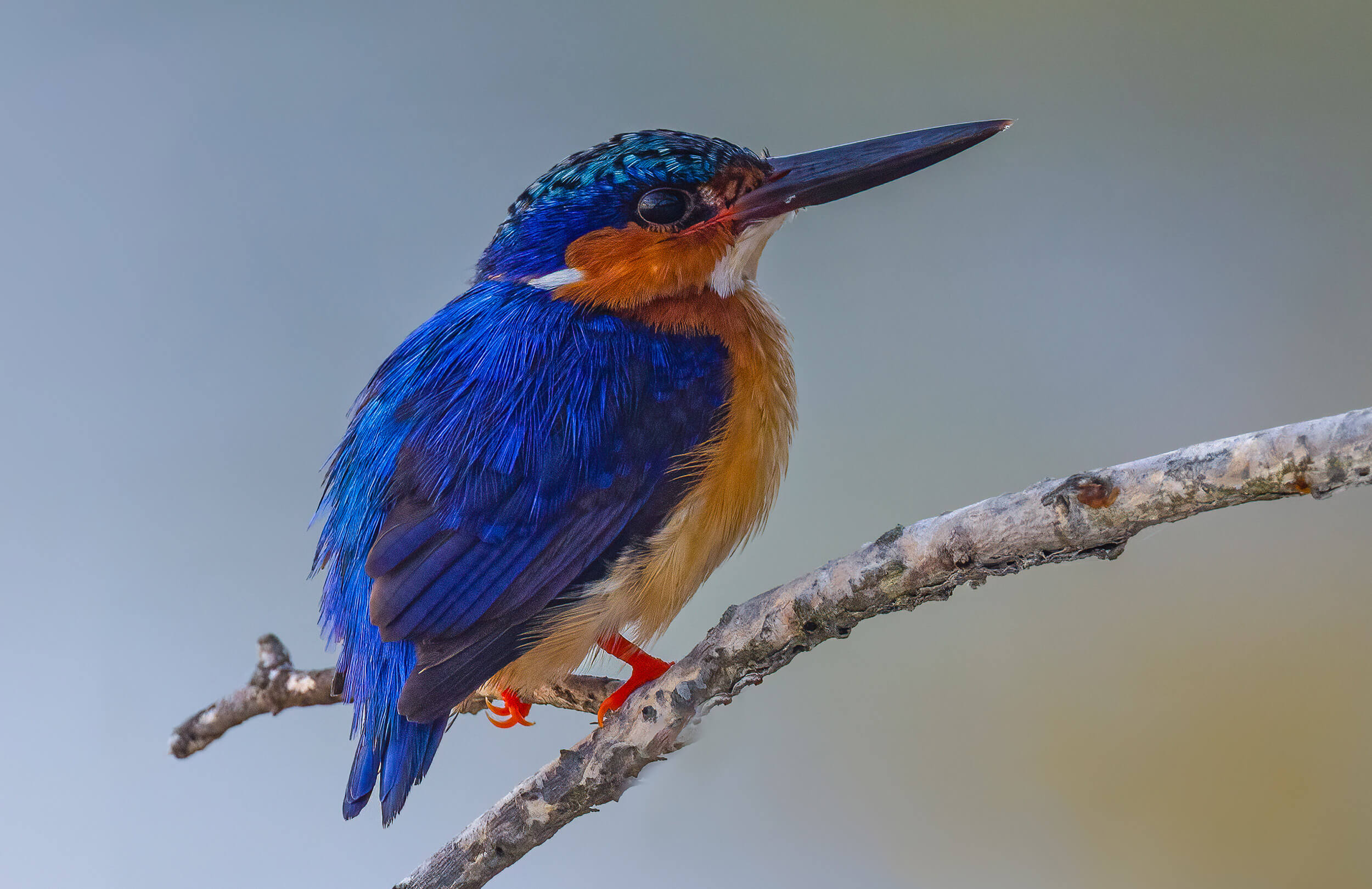
Day 18 Return to Antananarivo
After breakfast we begin the drive back to Antananarivo, stopping once again at Lac Alarobia if time allows. This productive wetland provides excellent opportunities to add a variety of waterbirds to our trip list, including Humblot's Heron, Malagasy Pond-Heron, Black Heron, Purple Heron, Gray Heron, Squacco Heron, White-faced Whistling-Duck, and Red-billed Duck. After arriving back in the capital, we'll gather for a farewell dinner to celebrate an unforgettable journey across one of the world's most extraordinary islands.
Night in Tana
Day 19 Departure from Madagascar
Depending on your flight schedule, there may be time for one final visit to Lac Alarobia or some relaxed birding around the hotel before airport transfers. As our expedition comes to an end, we'll say goodbye to Madagascar after an incredible nineteen days exploring its deserts, rainforests, mountains, wetlands, and coastlines. From ground-rollers and vangas to lemurs, chameleons, geckos, and baobabs, few destinations on Earth offer such an extraordinary concentration of wildlife found nowhere else in the world. We hope you'll leave with unforgettable memories, incredible photographs, and a deep appreciation for this truly remarkable island.
End of Tour!!!
Pricing
What's Included & What to Expect
What to Expect on Your Tour
Madagascar is one of the world's most rewarding wildlife destinations, but it is also one of the least predictable. Domestic flight schedules are subject to frequent changes, sometimes with little advance notice, and weather or operational issues can occasionally require adjustments to the itinerary. Likewise, road conditions, travel times, and accommodations may not always meet the standards travelers are accustomed to in more developed destinations. While we carefully select the best available hotels, vehicles, guides, and local partners, flexibility and a spirit of adventure are essential when traveling in Madagascar. Rest assured that our experienced local team will adapt as needed to ensure you have the best possible birding and wildlife experience, even if the exact order of sites or daily schedule changes along the way.
Transportation
TBD
Accommodations
Accommodations are typically quite comfortable and we favor newer accommodations when available. Some basic accomodations in remote areas as well.
Meals
TBD
Pace
Moderate. Madagascar lies close to the equator, so sunrise is around 5:30 AM, making for several early mornings to take advantage of peak bird activity. Most evenings conclude shortly after dinner, although many nights include optional or scheduled walks in search of lemurs, chameleons, geckos, frogs, and owls. There is usually time to relax during the hottest part of the afternoon, particularly in Ifaty and Isalo, while travel days are naturally longer. Several drives range from 4–8 hours, with a few approaching 9 hours, as we travel between Madagascar's diverse ecosystems. Road conditions vary from smooth pavement to winding, pothole-ridden highways, and we make frequent stops for birding, wildlife, photography, and comfort breaks. Walking is generally easy to moderate on established forest trails, though some sections in Ranomafana and Mantadia can be uneven, muddy, and occasionally steep.
Difficulty
Moderate. Most days involve several hours of walking at a relaxed birding pace, with frequent stops to observe wildlife. Trails in the eastern rainforests of Ranomafana and Andasibe are generally well-established but can be uneven, with roots, rocks, mud, and occasional steep sections, particularly in Ranomafana and Mantadia. Walking sticks are recommended for those who appreciate extra stability. In contrast, the trails in Ifaty and Isalo are mostly flat but can be sandy, rocky, and warm during the middle of the day. Many forest birding sessions are conducted away from the vehicle, though there are opportunities to rest during longer outings if needed. Participants should be comfortable walking 3–5 miles (5–8 km) per day on varied terrain while carrying their own binoculars, camera gear, and water.
Photography
While this is first and foremost a birding tour, Madagascar offers outstanding opportunities for wildlife photography. Many of the island's endemic mammals, particularly the lemurs, are remarkably approachable and often provide prolonged viewing opportunities for excellent photos. Reptiles and amphibians—including colorful chameleons, leaf-tailed geckos, mantella frogs, and day geckos—are among the most photogenic anywhere in the world and offer exceptional macro photography opportunities. Many birds are also surprisingly cooperative, especially in the drier habitats of Ifaty and Isalo, though photography in the rainforest can be more challenging due to dense vegetation and lower light levels. Whether you're carrying a smartphone or a professional camera setup, Madagascar is one of the world's premier destinations for nature photography.
Weather and Temperature
Madagascar's diverse landscapes create a surprising variety of climates throughout the tour. The eastern rainforests of Ranomafana and Andasibe are warm and humid year-round, with daytime temperatures generally ranging from 70–80°F (21–27°C). Brief rain showers are possible at any time, so lightweight rain gear is recommended. In contrast, the dry southwest around Ifaty and Isalo is typically hot, sunny, and arid, with daytime highs frequently reaching 90–95°F (32–35°C). Evenings are generally pleasant throughout the tour, particularly in the central highlands around Antsirabe and Antananarivo, where temperatures can cool enough for a light jacket. Dressing in layers is recommended, allowing you to stay comfortable across Madagascar's remarkably varied climates.
Insects, Snakes, and Predators
Madagascar is remarkably safe from a wildlife perspective. There are no large predators, dangerous cats, bears, or venomous mammals to be concerned about. While the island is home to a variety of insects, spiders, snakes, and other fascinating creatures, encounters are generally infrequent and rarely pose a serious risk when approached with common sense. A few snake species are mildly venomous, and some insects and centipedes can deliver painful bites or stings, while certain frogs and other animals possess defensive skin toxins that should simply be admired rather than handled. Mosquitoes are present in many areas, making insect repellent and lightweight long sleeves recommended, particularly during the evenings. Our guides are experienced in safely observing Madagascar's incredible wildlife and will point out interesting species while ensuring everyone maintains a respectful and appropriate distance.
Travel Requirements
U.S. citizens traveling to Madagascar must have a passport valid for at least six months beyond their date of entry, with at least three blank passport pages. A tourist visa is required and can be obtained either in advance or upon arrival at Antananarivo International Airport for stays of up to 90 days. Proof of onward travel may be requested upon arrival. A Yellow Fever vaccination certificate is only required if you are arriving from—or have recently transited through—a country with a risk of Yellow Fever transmission. As entry requirements can change, we recommend verifying the latest information with the U.S. Department of State or the Embassy of Madagascar prior to departure.
Bird Highlights
- 5 Ground-Rollers
- 8 Coua Species
- Helmet Vanga
- Nuthatch-Vanga
- Sickle-billed Vanga
- Crossley's Vanga
- Blue Vanga
- Subdesert Mesite
- Madagascar Ibis
- Madagascar Harrier-Hawk
- Pitta-like Ground-Roller
- Long-tailed Ground-Roller
- Scaly Ground-Roller
- Short-legged Ground-Roller
- Madagascar Pygmy-Kingfisher
- Madagascar Long-eared Owl
- Madagascar Forest Rail
- Velvet Asity
- Gray-headed Lovebird
- Red-tailed Tropicbird
Non-bird Highlights
- 7+ Lemur Species
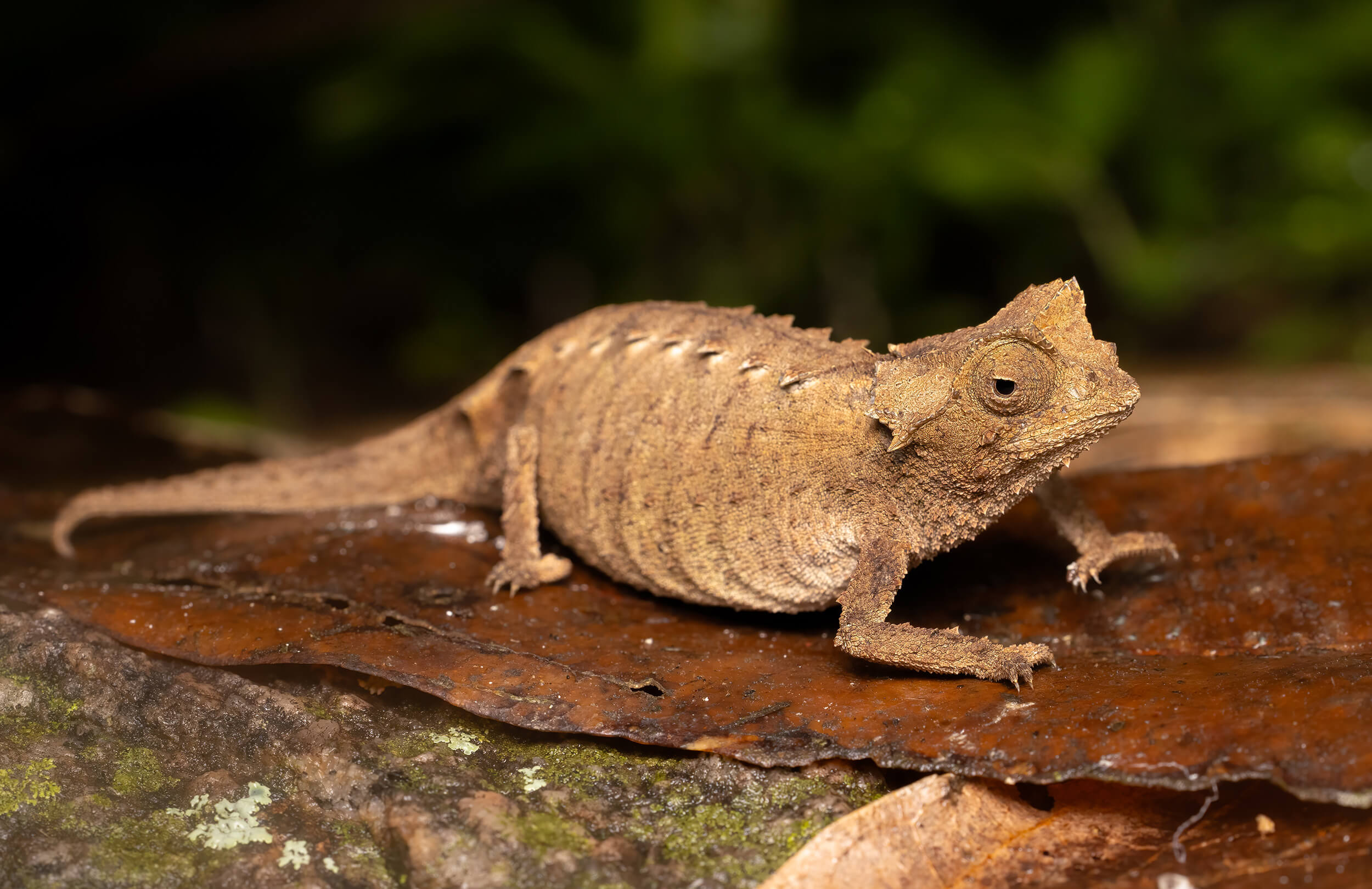
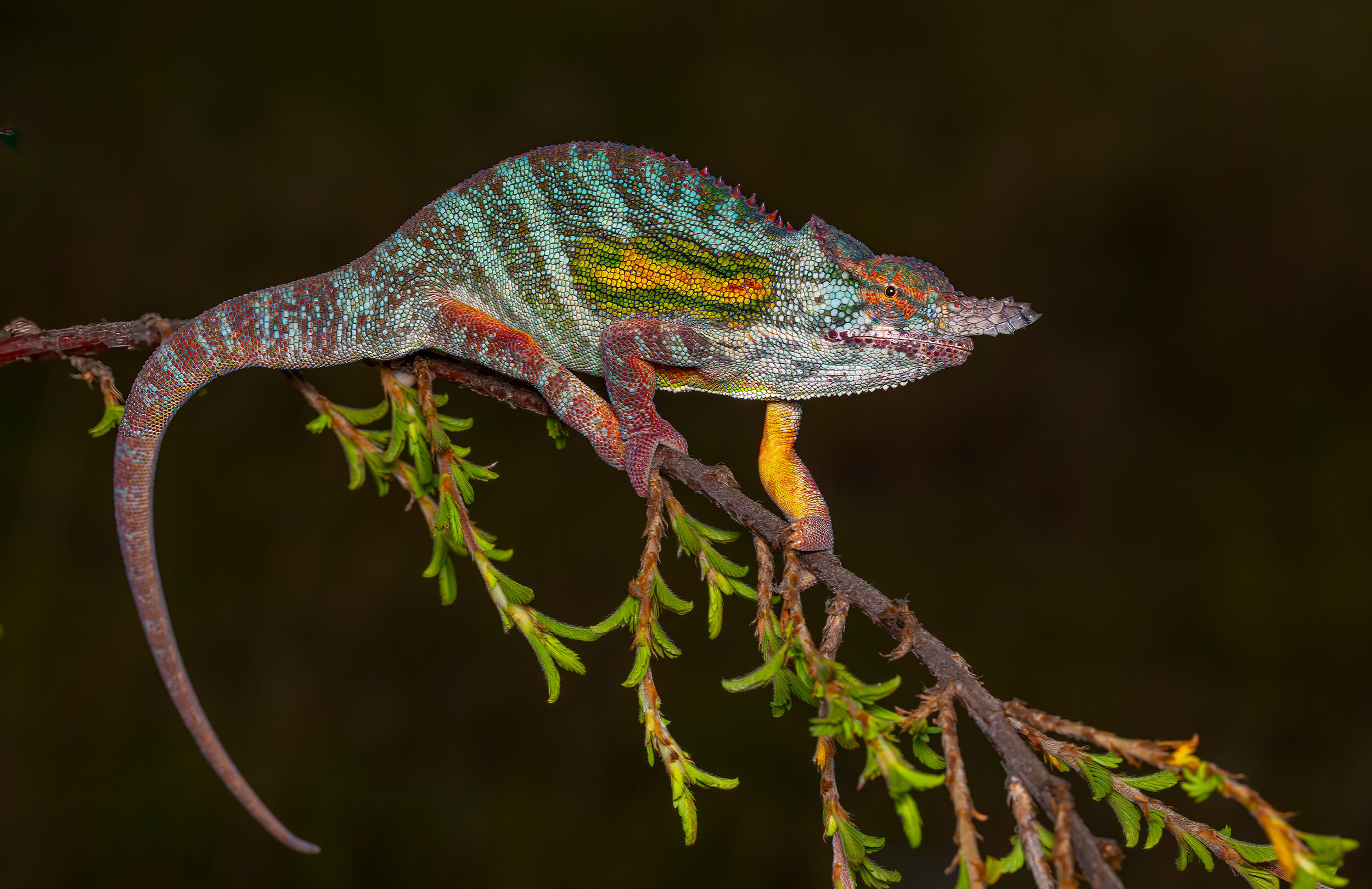
- 12+ Chameleons
- Unique Spiny Forests
- Night Walks
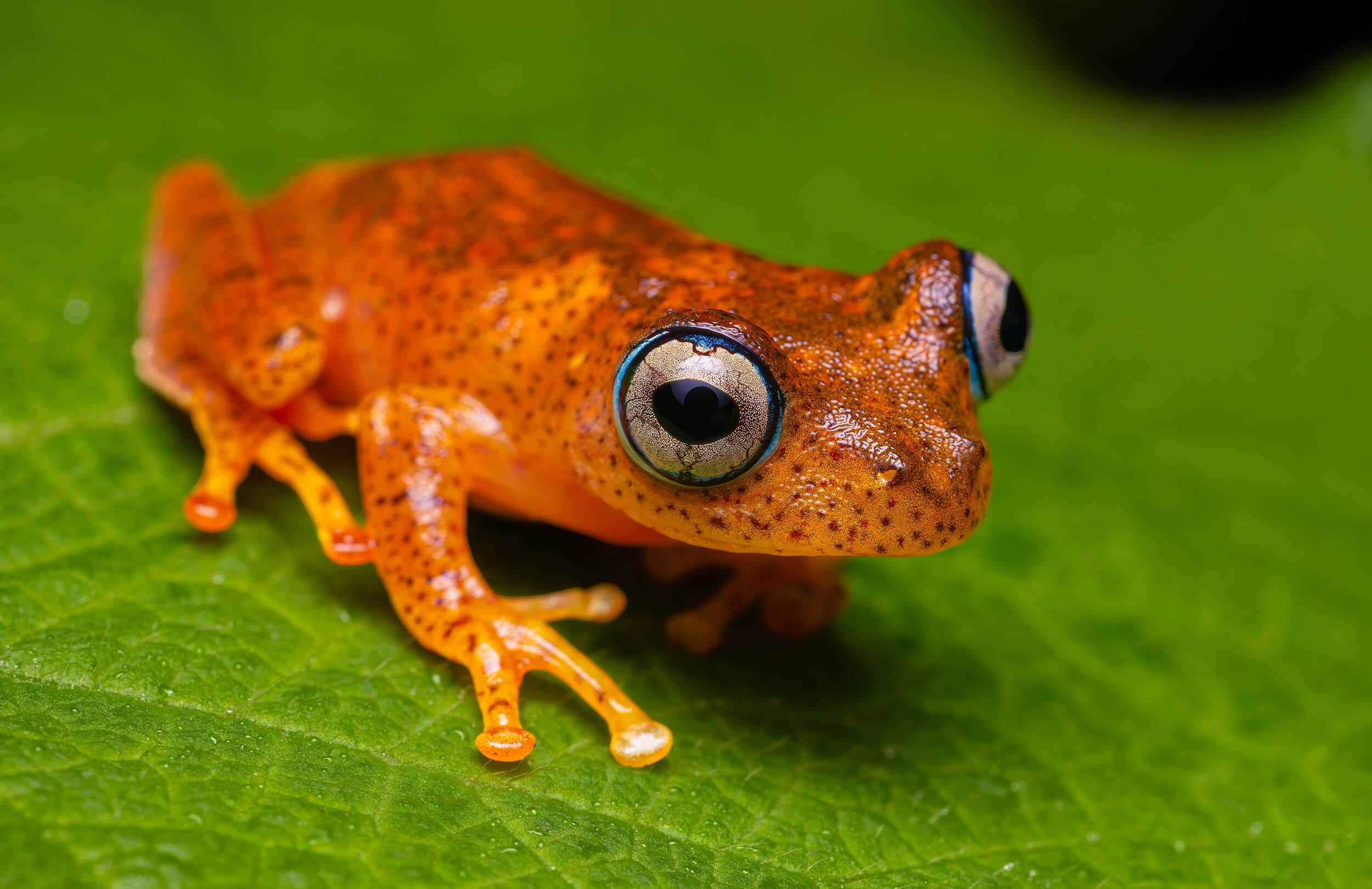
- 30+ Reptiles & Amphibians
- Nosy Ve Island
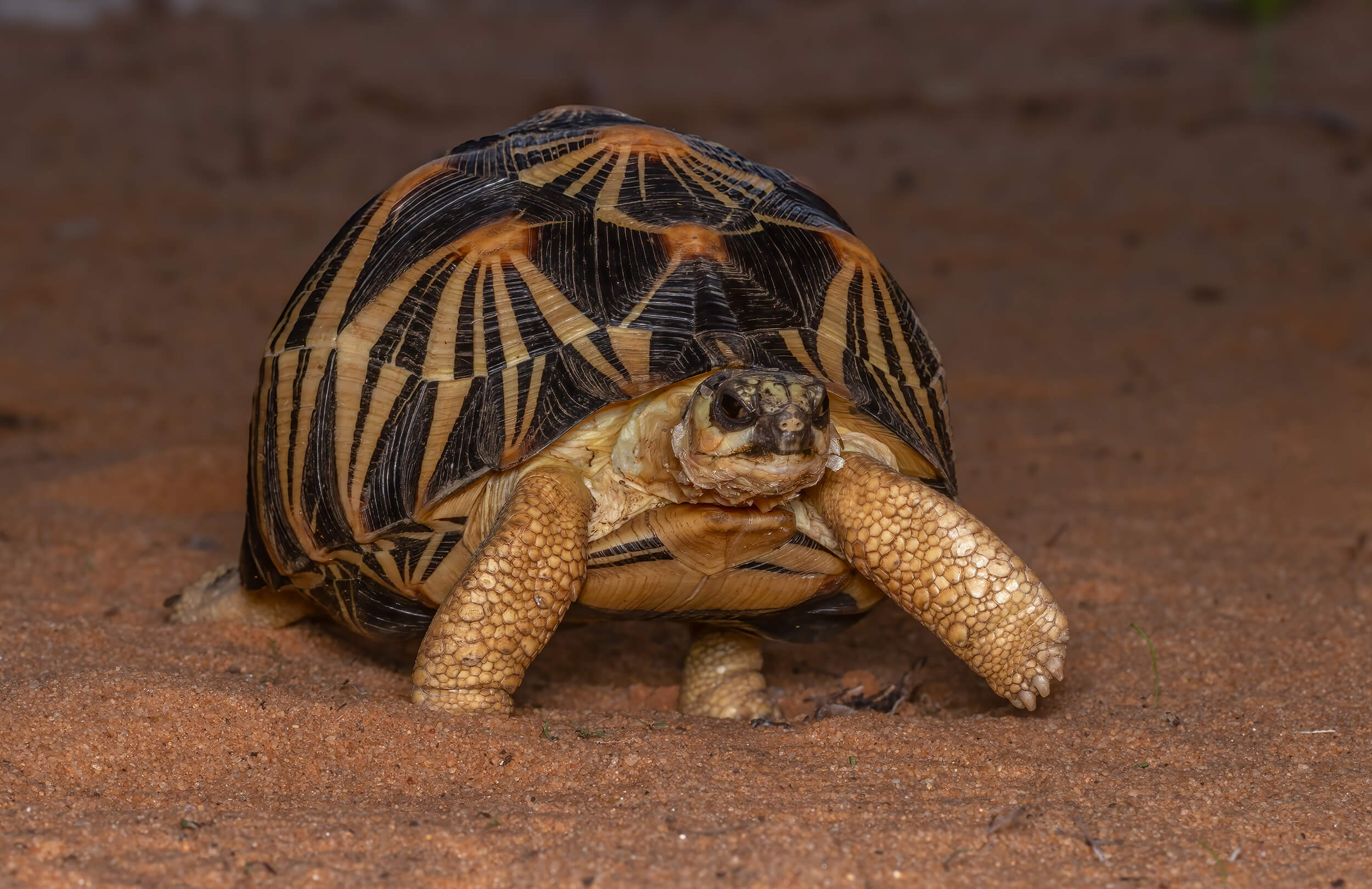
- Radiated Tortoises
- Isalo Canyons
- 4 Rainforest Reserves
- Living Evolution
What's Included
- Professional Guide Service
- Transportation from Antananarivo
- 18-nights Accomodations
- Meals from Dinner on Day 1 to Lunch Day 19
- Spotting Scope while Birding
- Water for Refreshment
- Birds—we’ll find some birds
- Some Madagastastic Tour Swag
- Delightful Conversation about Birds
- A Thoroughly Enjoyable Time!
We also include SFW dad jokes, witty bird puns, and the occasional commentary on things non-bird related!
What's Not Included
- Alcoholic Drinks
- Binoculars
- Cameras and Lenses
- Personal Flashlights/Headlamps
- Bug Spray
- Jackets or Sweaters
- Shoes and Socks
- Flights or Transportation to Madagascar
- Anything not explicityl mentioned
We highly recommend all of the above ;)
Still have questions? Ready to book a tour? Either way tapping the buttons below will put you in touch with us!
Past Madagascar Tours
January 2026
2026 Scouting Trip
View Trip Report
 100+ 5-Star Reviews
2020, '22, & '23 Trip Advisor Travelers' Choice Award Consistently earning great reviews from birders!
 Top Rated Wildlife Tour
in Salt Lake City
Top Rated Wildlife Tour
in Salt Lake City
Tim was passionate about the birds, enthusiastic about getting everyone on every bird, professional with planning and guiding, and extremely knowledgeable about the birds. We got all of our targets...
Becky L Most Wanted , 2019
Recent Photos from this Tour
Check out more photos from this tour on Flickr
Still have questions? Ready to book a tour? Either way tapping the buttons below will put you in touch with us!